Nelumbo luteo
Family: Nelumbonaceae
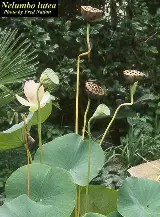

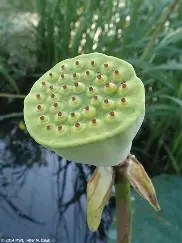
Description: Aquatic perennial with circular leaves 30-60 cm in diameter. Waxy leaf with hairs. Flowers solitary with pale yellow petals 8-13 cm long with 22–25 petals. Nut‑like seeds embedded in a woody receptacle; seeds can remain viable for years.
Field Identification: Lily pad on water with flower projected on stem out of the water. One of the largest N. American flowers.
Plant Trivia: Thermogenic (heat‑producing) and pollinated mainly by beetles and medium bees. Pollinated by beetles, primarily Chrysomelidae and medium-sized bees. Phorid flies (Phoridae) also visit the flowers. Nelumbo is an ancient genus, with dozens of species known from fossil remains since the Early Cretaceous. However, there are only two known living species of lotus.
Occurrence: Native to N. America and the Caribbean. Found locally from Welder Wildlife Refuge to Aransas Wildlife Refuge.
Bloom Period: May-Oct
Plant Use: Tuberous rhizome, young leaves, and seeds (known as “alligator corn”) are edible. Used historically by Indigenous peoples for food and medicine. The young leaf stalks/leaves, the rootstock and the seeds were eaten by native Americans. Ornamental that is valued for large, showy flowers in ponds and wetlands.
 stxflora