Nicotiana repanda
Family: Solanaceae
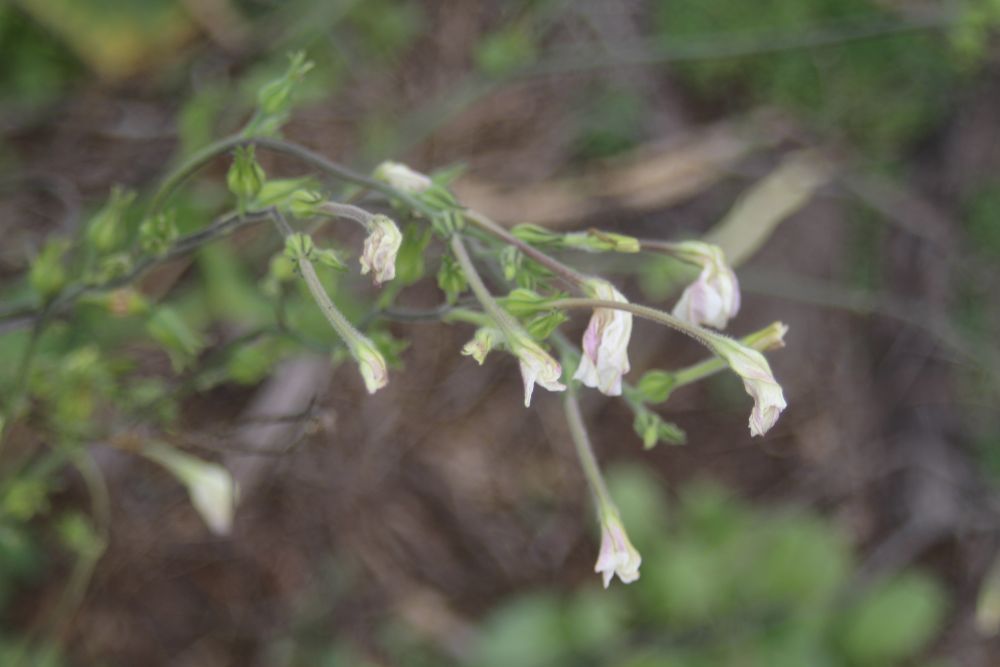
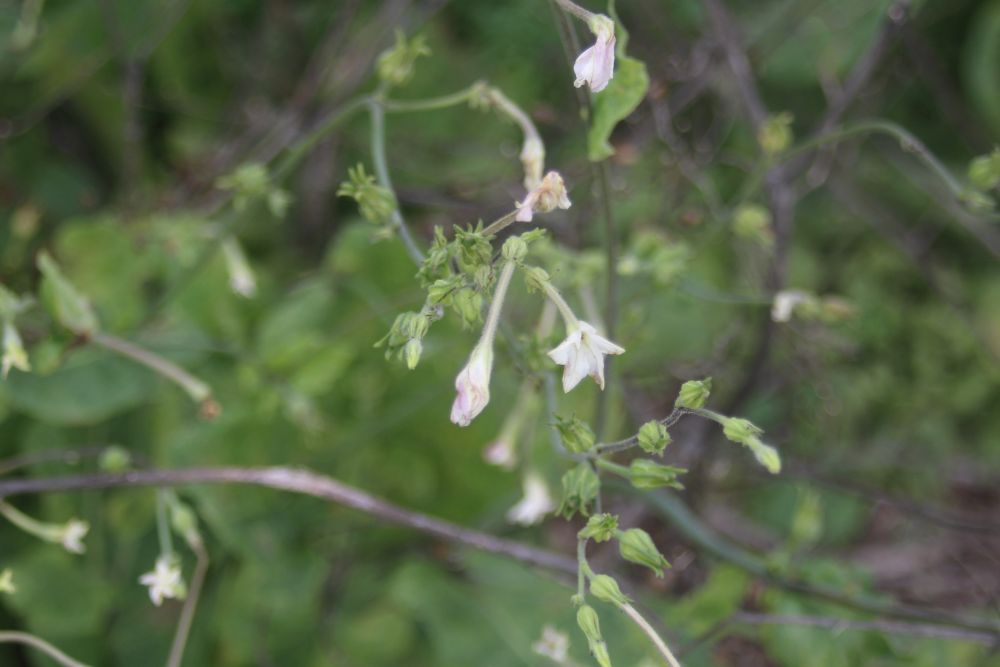
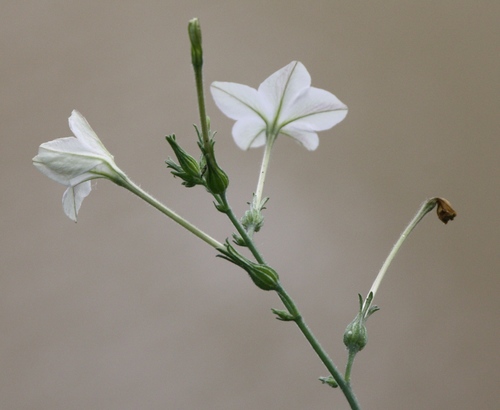
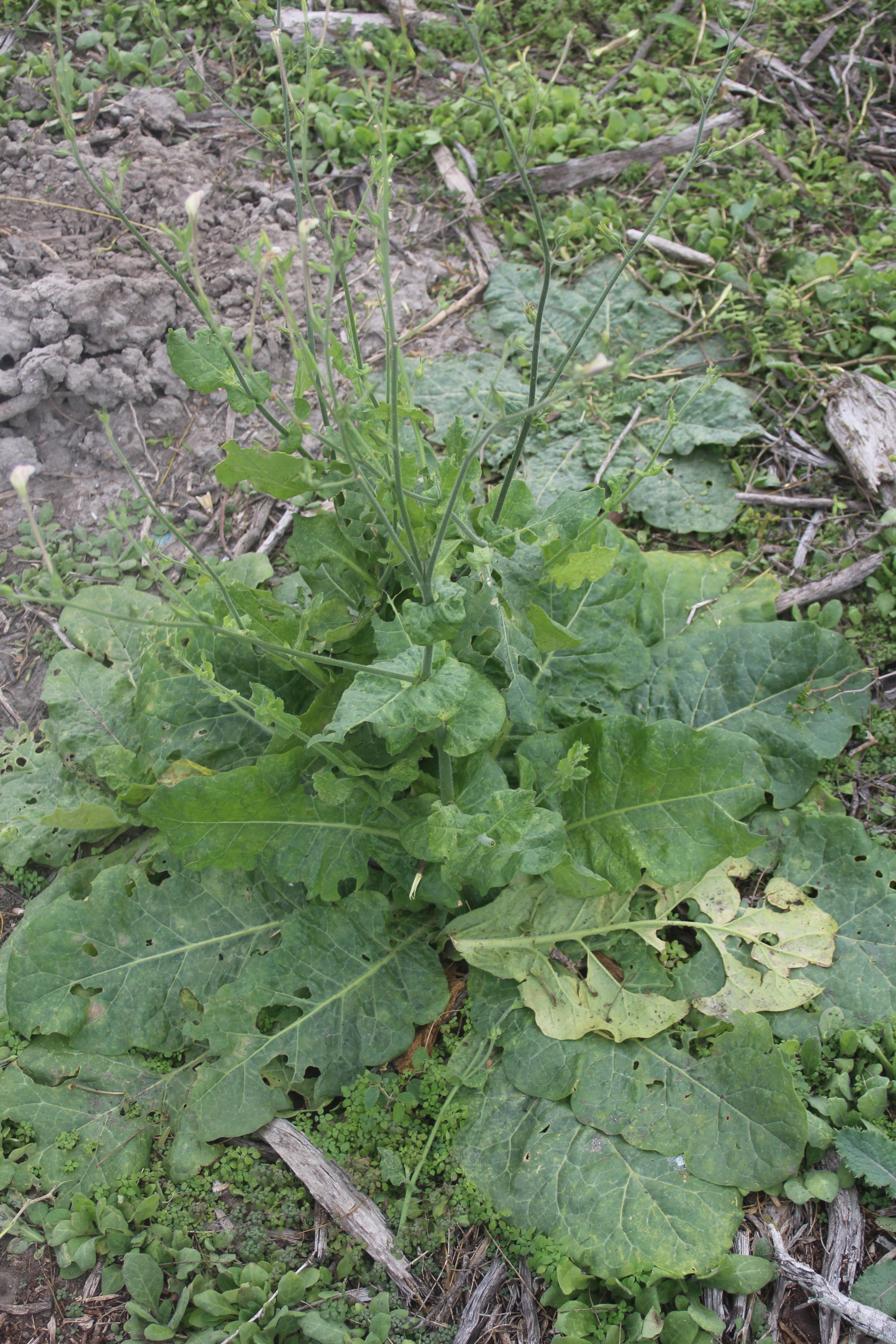
Description: Annual to 1.7 m high with generally ovate leaves 8-20 cm long. bisexual flowers in racemes, the corolla tubular 4.5-7.5 cm long, white.
Field Identification: Large plant with white terminal raceme bearing tubular flowers. Basal leaves are distinctly larger than any leaves above the base. Its leaves are often large and ovate, reaching sizes up to 30 centimeters or more, with a distinctive wavy margin creating that hallmark “fiddle” shape. The leaves are typically a rich green color, providing a striking contrast to the plant’s delicate, tubular flowers.
Plant Trivia: The specific epithet repanda comes from the Latin repandus, meaning “turned up,” referring to the leaf margin.
Occurance: Common on various soils in pastures and woods. Found in Texas, parts of the Gulf Coast, and extending into Mexico and Cuba.
Bloom Period: March-Dec
Plant Use: Its flowers are an important nectar source for various pollinators, including bees and butterflies, fostering biodiversity in its habitat. Additionally, the plant provides shelter and food for various species, contributing to the complex web of life in tropical ecosystems. Its presence helps maintain soil health and stability, playing a significant role in preventing erosion in vulnerable regions.
Dichotomous Key for the Genus Nicotiana:
- Plant a tree or shrub, flowers yellow…………….N. glauca
Plant herbaceous, flowers white………………..N. repanda

