Leucaena leucocephala
Family: Fabaceae
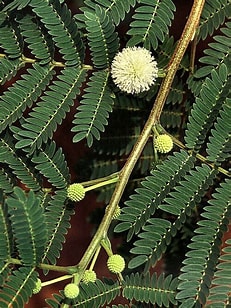
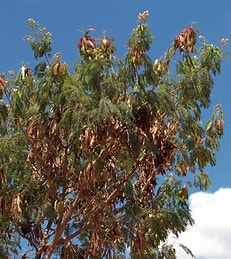
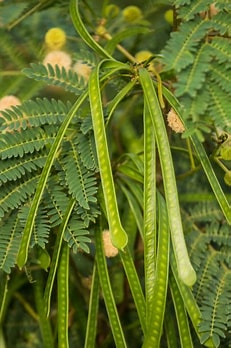
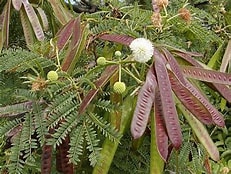

Description: Evergreen shrub or tree to 6 m high. Leaves bipinnate, alternate, the leaflets 8-20 mm long. Flower heads globose, 2-2.5 cm wide, white to creamy. Fruit reddish, papery, up to 16 cm long or longer.
Field Identification: Straggly looking tree, densely foliated. Flowers creamy white, spherical (mimosa-like). Seed pods flattened to the point of distinct bean appearance within pod.
Plant Trivia: Invasive. Introduced from tropical America. Distinguished from the closely related Tepeguaje, L. pulverulenta, by its broader leaflets, have noticeable spaces between them. naturalized throughout the tropics, including Southeast Asia, Northern Australia, Hawaii, and parts of Africa. It was introduced to the Philippines in the 1500s by the Spanish, likely as cattle feed, and has since spread widely, sometimes becoming invasive.
Occurrence: In wild, this plant is escapee from area where it was intentionally planted. From Southern Mexico and Central America.
Bloom Period: Spring-Summer
Plant Use: Widely used for fodder, soil improvement, and firewood. Livestock fodder, green manure, and soil fertility improvement due to nitrogen fixation. Young leaves and seed pods are high in protein and vitamin A; seeds can be used as a bean substitute or roasted for consumption. Leaf paste for stings and bites, seeds for diabetes and intestinal worms, bark and root decoctions for contraceptive purposes. Firewood, charcoal, fiber, small objects, bark dye, and gum substitute.
 stxflora