Vitex agnus-castus
Family: Lamiaceae
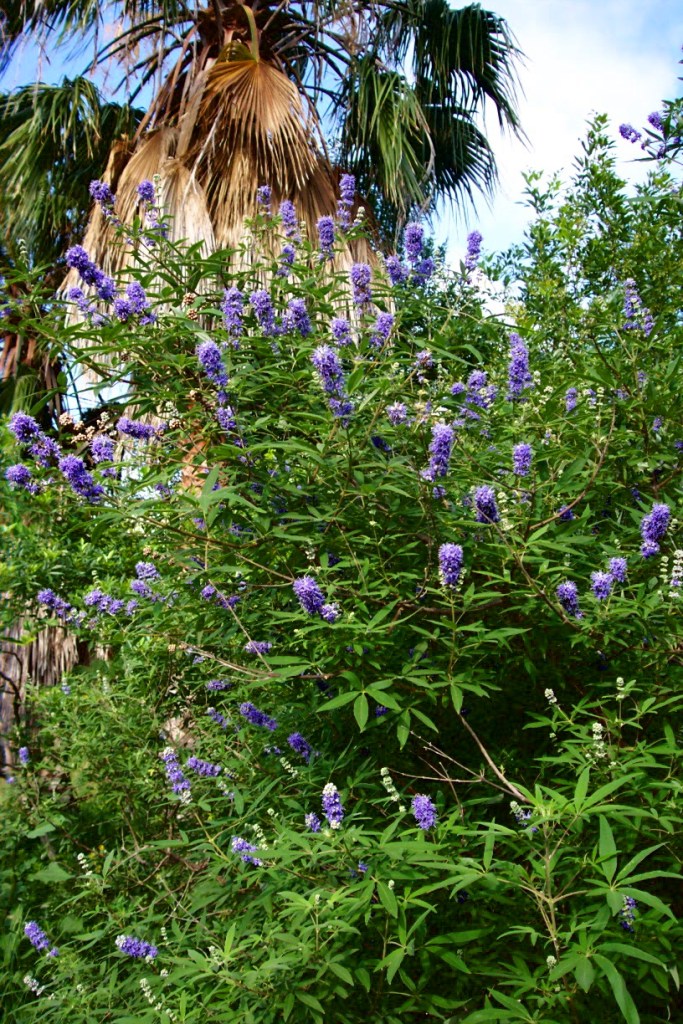
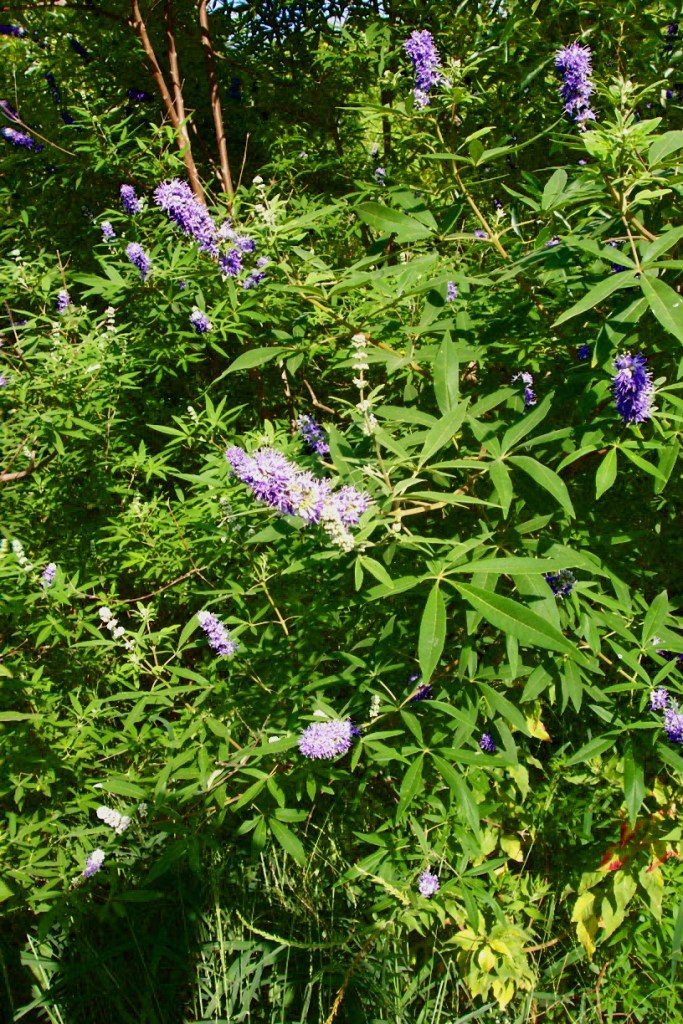
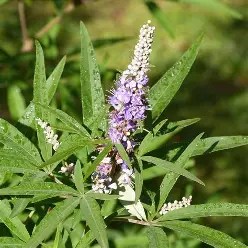
Plant Description: Deciduous shrub or small tree growing 1–5 meters tall with aromatic foliage and purple flowers that produce small, dark brown berries about the size of peppercorns
Field Identification:
Plant Trivia: This plant is from Mediterranean area. It is an ornamental shrub planted in landscapes and yards in the early to mid-1900s.One of few Vitex species that will grow in temperate regions. This plant has been cultivated for centuries for both ornamental and medicinal purposes, and its fruits can be harvested for over 15 years. It was believed to reduce sexual desire, earning the nickname “chasteberry” or “monk’s pepper” due to its use by monks in the Middle Ages.
Occurrence: Generally, a landscape plant found in home gardens, nature and bird & butterfly gardens. Native to the Mediterranean region.
Bloom Period: Spring-Summer
Plant Use: Ancient Greeks and other Mediterranean cultures used it in religious rituals and as a medicinal herb for digestive, antifungal, and anti-anxiety purposes. Vitex agnus-castus is most commonly used to support women’s reproductive health. Its primary benefits include the following: Premenstrual Syndrome, Menstrual irregularities, Menopause Symptoms, Fertility Support. Traditionally, it has been used for digestive issues, antifungal purposes, and as an insect repellent, though scientific evidence for these uses is limited.
Vitex does not contain hormones itself but works by modulating the body’s hormone production, particularly through dopaminergic compounds that influence the pituitary gland

