Quercus virginiana
Family: Fagaceae
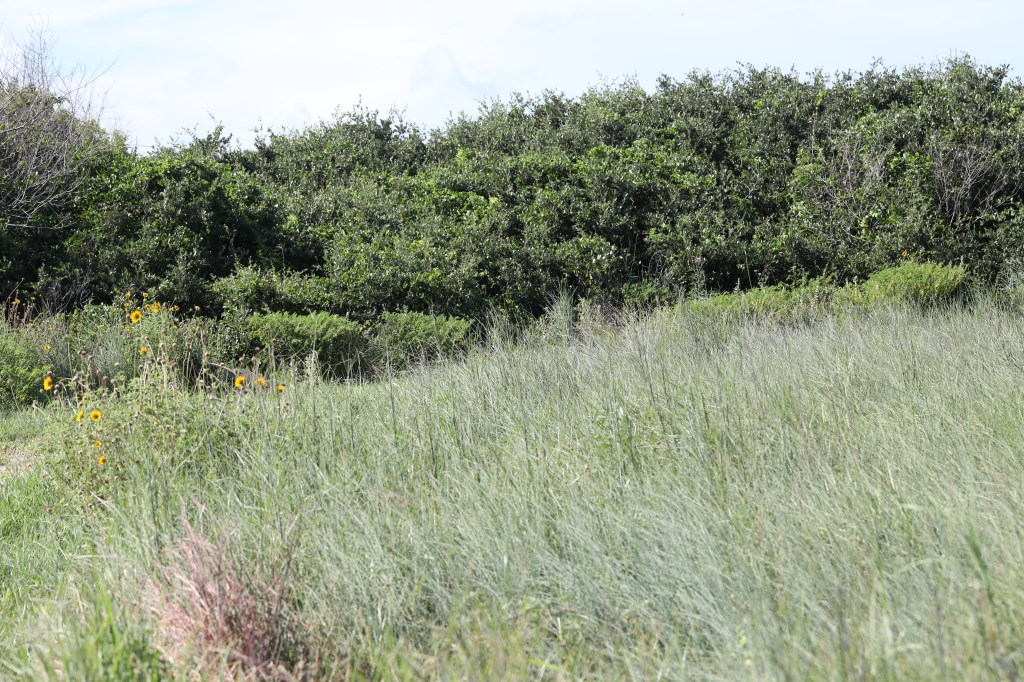
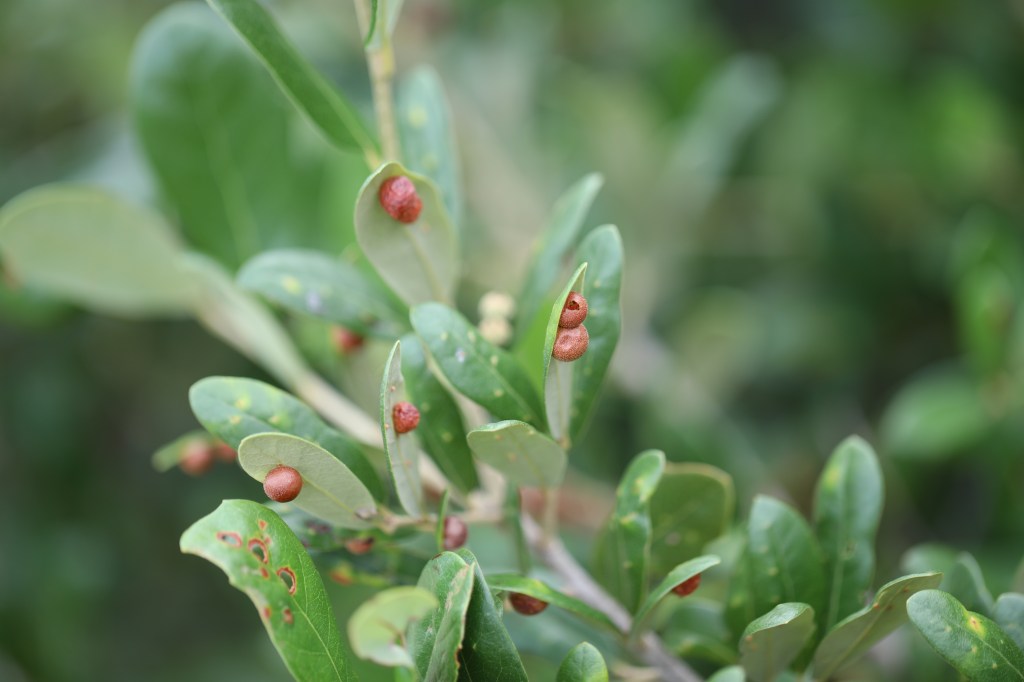

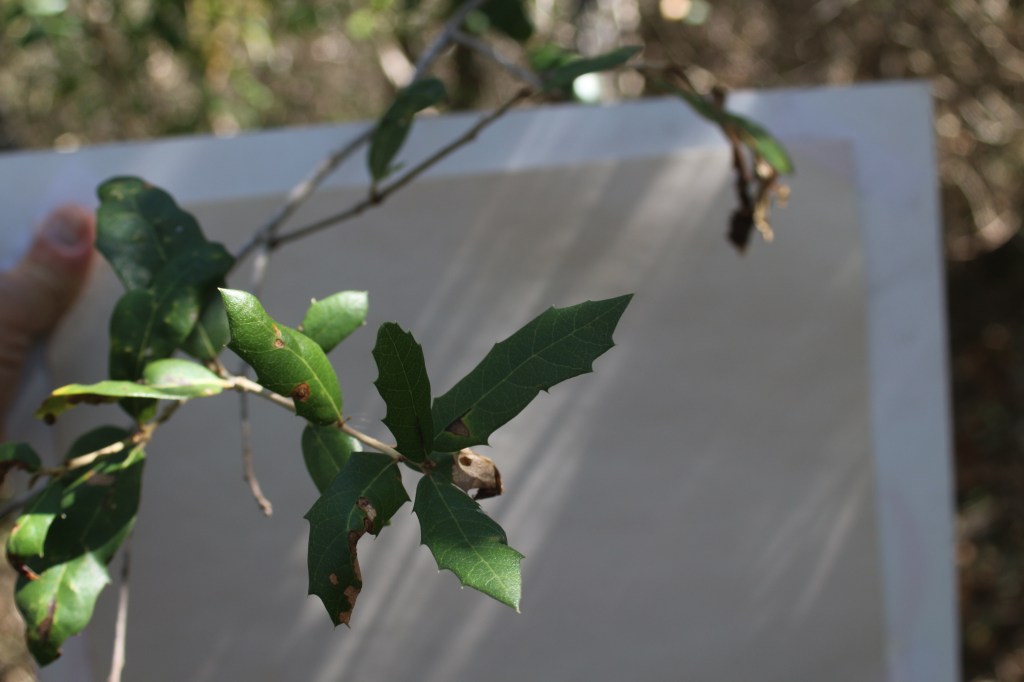
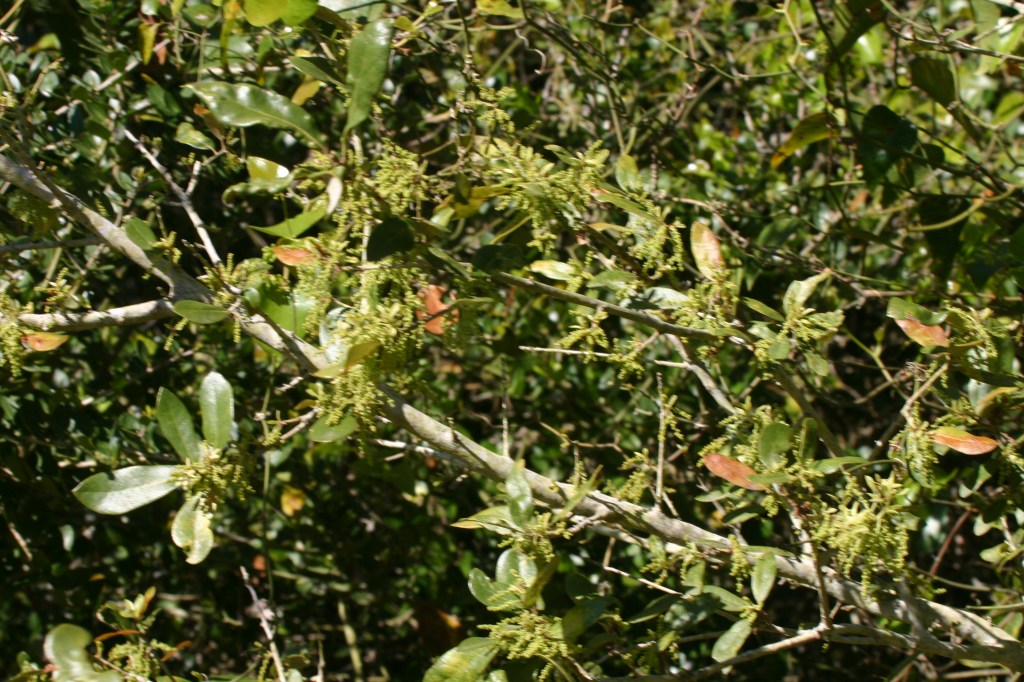


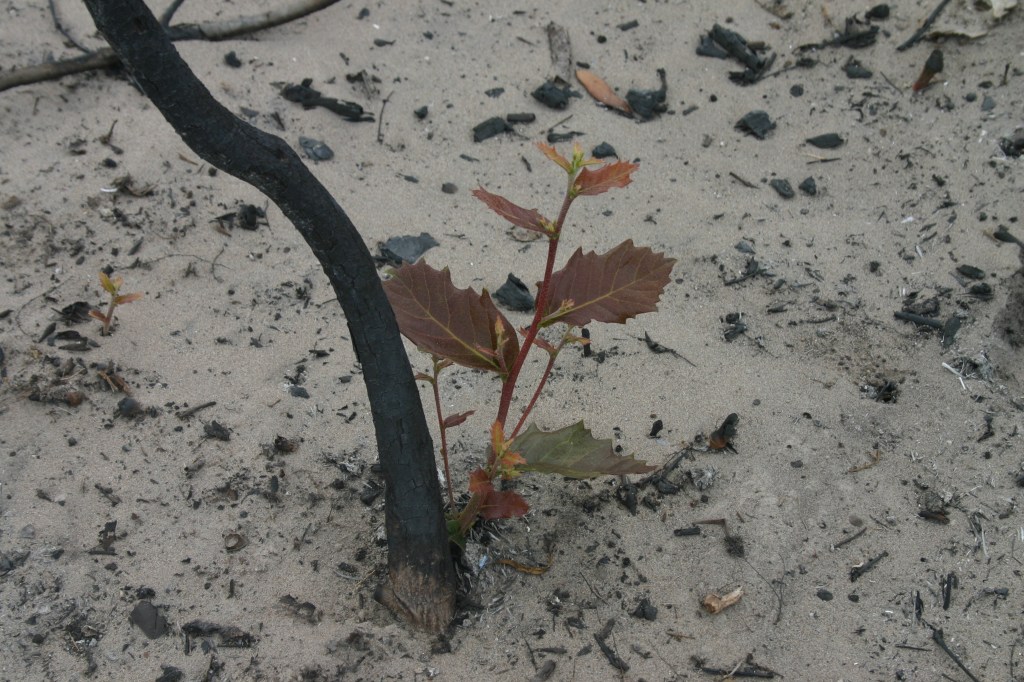
Plant Description: Evergreen tree to 13 m or higher and twice as wide, in its juvenile state often forming clumps or thickets by rhizomes. Leaves 3-9 cm or longer by 1-5 cm wide, elliptic or oblong to obovate or oblanceolate, entire to toothed or lobed, thick, shiny, dark green on top and lighter beneath, edges curling downward, and alternate. Acorn cup usually 1.5- 1.8 cm wide, commonly narrowed at base, or rounded. nut usually 1.5-2.8 cm long by 1.4-1.7 cm wide, subfusiform. Male flowrs produced from March to May on catking that appear yedllowish and hairy. The bark ios gray or bl;ackl and somewhat grooved, and fruit is an acorn
Plant Trivia:
Field Identification: In natural state, live oak is the dominant tree along coast forming dense woods and thickets. Generally, prefers soil with moisture. This tree is very difficult to definitively identify since it intergrades with other species.
Occurrence: Frequent on coastal sands from AMWR to Baffin Bay
Bloom Period:
Plant Use: Planted for shade (local forms are propagated by nurseries). Valuable wildlife food: new foliage good for browse, acorns for many birds and mammals; roosting and/or roosting sites. Historically the wood was used for ship building and furniture. Excellent firewood and bark for tanning hides into leather are other uses. Native Americans reportedly used acorn oil for cooking, and acorn meal to make bread-like patties.
Key to eight species of Quercus is found in Plants of the Texas Coastal Bend by Roy L. Leyman, Ruth O’Brien, and Tammy White.
 stxflora