Descurainia pinnata
Family: Brassicaceae

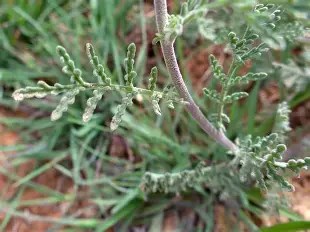
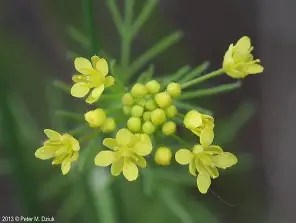

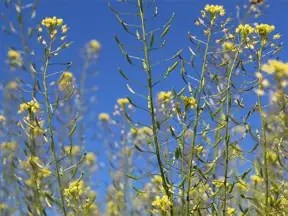
Description: Annual to 75 cm high with 1-to 2-pinnateified leaves 2-12 cm long. Flowers racemose, the pale yellow or creamy petals 1.5-2 mm long. Leaves are once or twice pinnately compound, broadly lance-oblong in outline, basal and the lowest leaves stalked, up to1.5 cm (6 inches) long and 6.5 cm (2½ inches) wide, feathery with numerous, deeply to shallowly lobed divisions, becoming smaller, stalkless, and less lobed as they ascend the stem. Surfaces and stalks are variably covered in glandular hairs, especially the leaf underside. Stems are erect, green to purple-tinged, sparsely to densely covered in glandular hairs, and usually branched in the upper plant but may be unbranched.
Field Identification: This is a hairy, heavily branched, mustard-like annual which is quite variable in appearance. There are several subspecies which vary from each other and individuals within a subspecies may look different depending on the climate they endure. This may be a clumping thicket or a tall, erect mustard. The plants grow 2-3 ft tall. It has highly lobed or divided leaves with pointed, toothed lobes or leaflets. At the tips of the stem branches are tiny yellow flowers that bloom in the spring. The fruit is a silique one half to two centimeters long upon a threadlike pedicle This plant reproduces only from seed.
Plant Trivia:
Occurrence: Frequent on sandy soils in prairies and openings. It is native to North America
Bloom Period: Jan-Apr
Plant Use: This tansy mustard is toxic to grazing animals in large quantities due to nitrates and thiocyanates; however, it is nutritious in smaller amounts. Cattle that consume the plant experience numbing of the tongue, begin to hit their heads against hard objects, and can even lose vision. The plant is bitte and the seeds are said to taste somewhat like black mustard and were utilized as food by Native American peoples such as the Navajo. In Korea, it has been found to have been used historically as medicine since the 1950s when the plant was introduced
Dichotomous Key to the Genus Descurainia: This the only species of this genus in our area.

