Celtis laevigata
Family: Ulmaceae
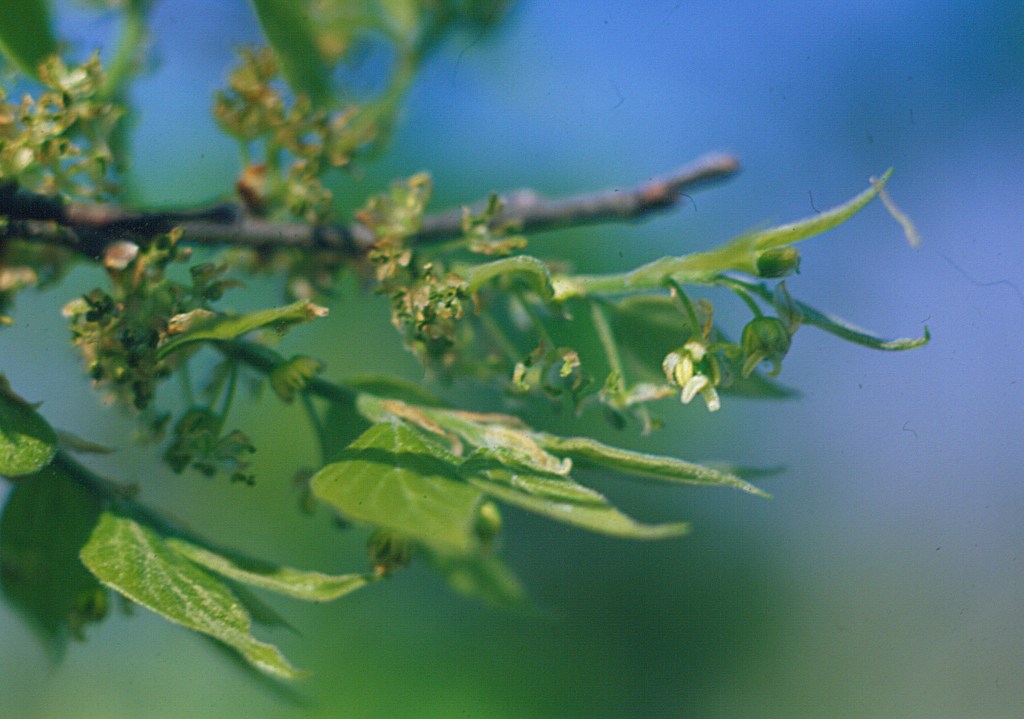
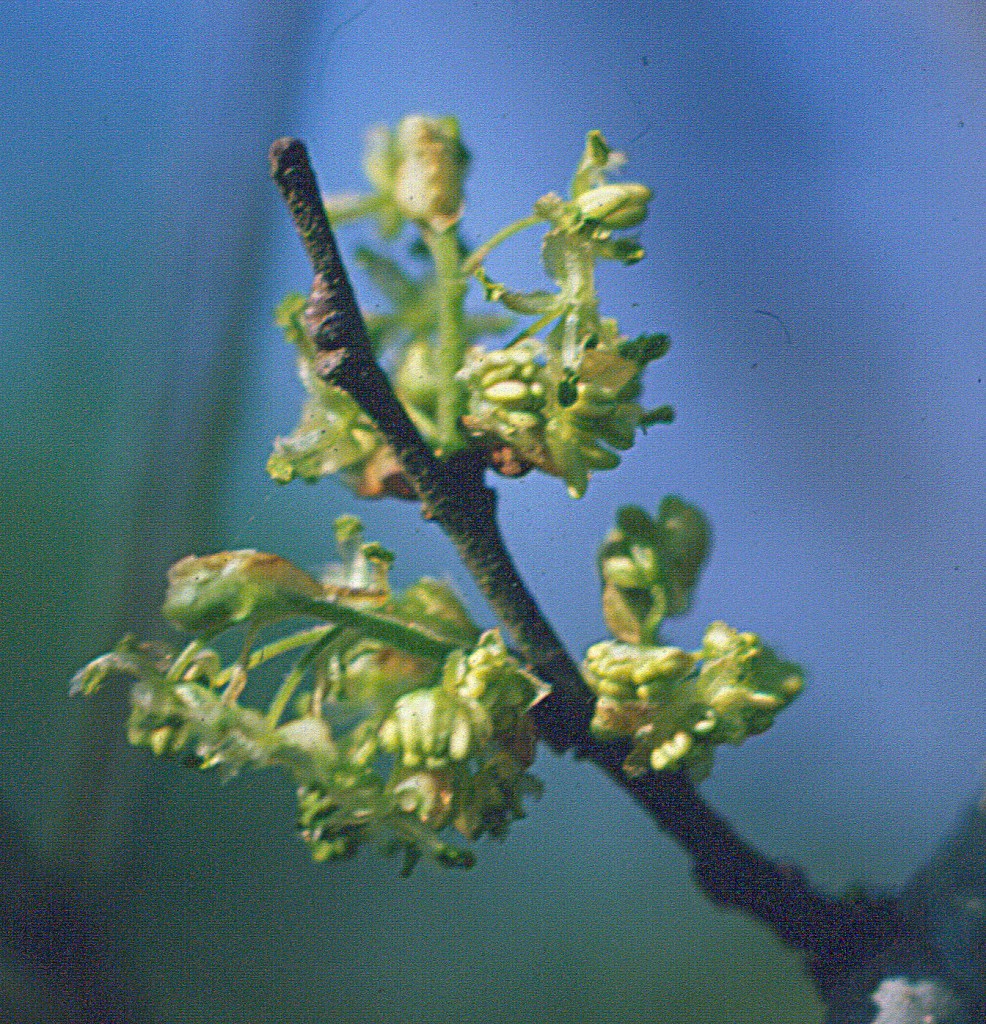
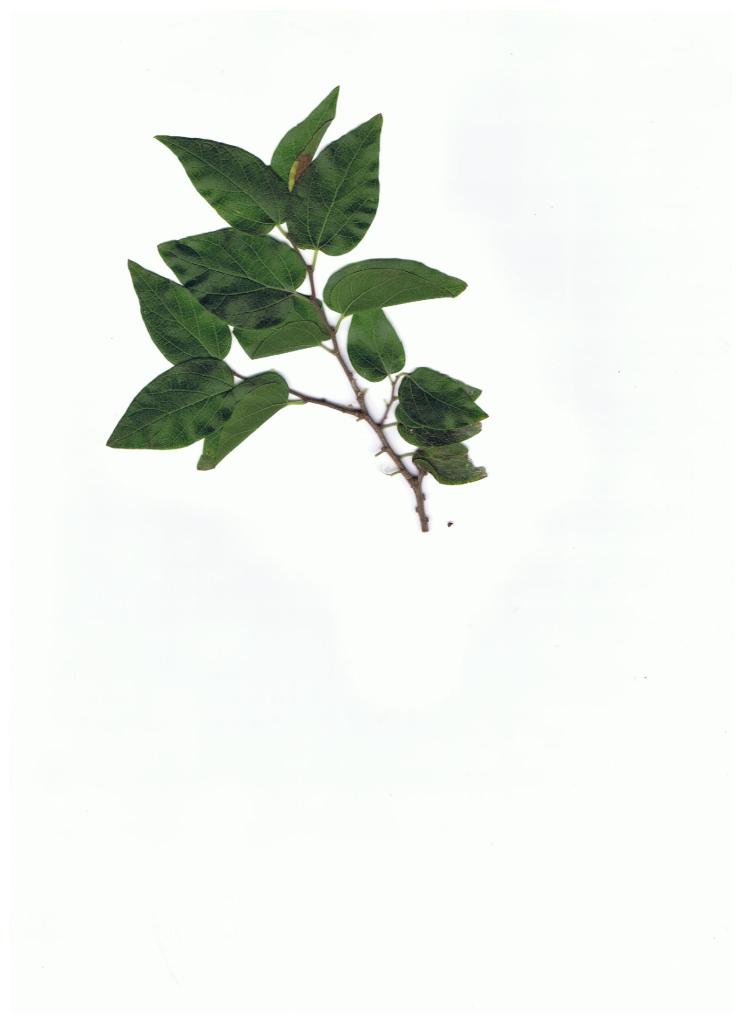
Plant Description: We have 2 varieties: C. laevigata laevigata and C. laevigata reticulata. C. l. laevigata is a deciduous tree to 16 m or higher, with ovate leaves 4-8 cm long, alternate, oblong lanceolate, light green, each having 3 prominent basal veins. This variety also has noticeably warty bark, a broad crown, and flowers appearing before or with the leaves. Tepals are 2-3 mm long, greenish white while fruits are 5-8 mm wide, orange-brown or reddish; flowers perfect or unisexual. Variable, likely due to intergrading with C. reticulata, C. l. reticulata is also a deciduous tree to 10 m or more with ovate leaves 3-8 cm long. Flowers and fruits much resembling laevigata, with which it intergrades. Leaves of the more typical individuals are harshly roughened above and not only “felty” but with prominent raised veins underneath, asymmetric, lanceolate to ovate, sometimes rough on lower side. Fruit is a small orange drupe on long pedicle ripening in late summer.
Plant Trivia: If you only have the choice of having a single tree for wildlife, the hackberry should be your choice. The fruit pulp has a high glucose content and is edible to humans but leave it for the wildlife. Seed is the largest part of the fruit.
Field Identification: A distinction to be made between Sugar Hackberry and Net-leaf Hackberry is that the leaves of Sugar Hackberry are smooth while those of Net-leaf Hackberry are rough.
Occurrence: Frequent on loamy soils in pastures and woods, mostly along streams and ravines.
Bloom Period: Spring
Plant Use: Very important food source for wildlife. Wood is occasionally used for flooring, furniture, sporting goods, and fuel. This is a fast-growing tree that can be used in shelterbelts and fence rows and for landscaping.
Key to the Genus Celtis: Leaves entire or few-toothed; fruits subglobose
- Branches not spiny…………………………C. laevigata
Branches spiny………………………………………..C. pallida

