Chloracantha spinosa
Family: Asteraceae
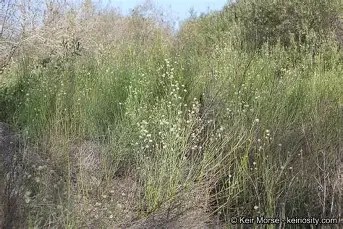
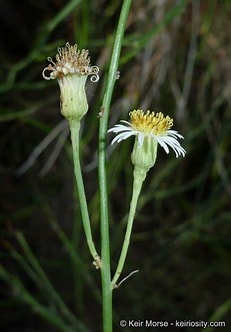
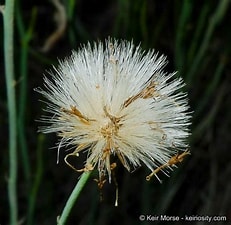
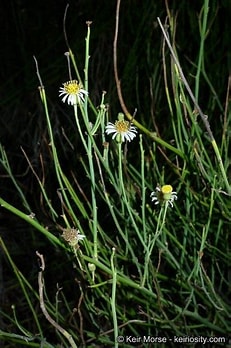
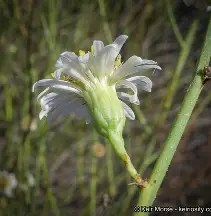
Description: Perennial to 120 cm high with spiny or unarmed stems that are leaflets at flowering time. Heads 1.2-1.5 cm wide, scattered or in loose racemes or panicles. Disks yellow, rays white. Stems are hairless, sometimes waxy; some lateral branches become sharp thorns. Leaves are alternate, simple, oblanceolate, entire, small, leathery, dark green, waxy-coated.
Field Identification: Tall, straggly looking revealing stemmy plant structure with scattered terminal flowers.
Plant Trivia: The genus name Chloracantha comes from Greek chloros (green) and akantha (thorn), reflecting its spiny, green stem.
Occurrence: Common on various soils in ditches, swales, stream bottoms, and other low or damp places, often forming large colonies. native to arid and semi-arid regions of the southwestern and south-central United States, most of Mexico, and much of Central America.
Bloom Period: Sept-Nov
Plant Use: Nectar source for insects. Good plant for erosion prevention due to dens colonies forming by rhizomes.

