Phacelia patuliflora
Family: Hydrophyllaceae


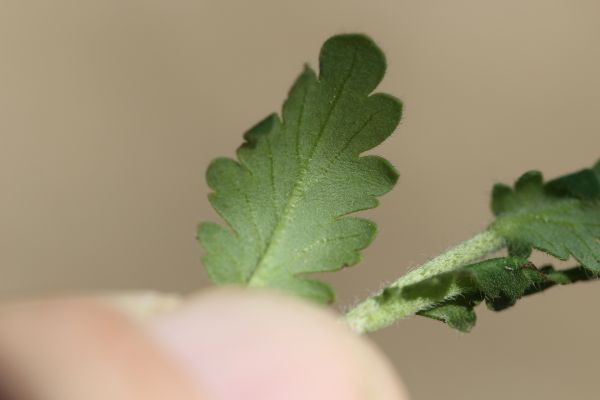
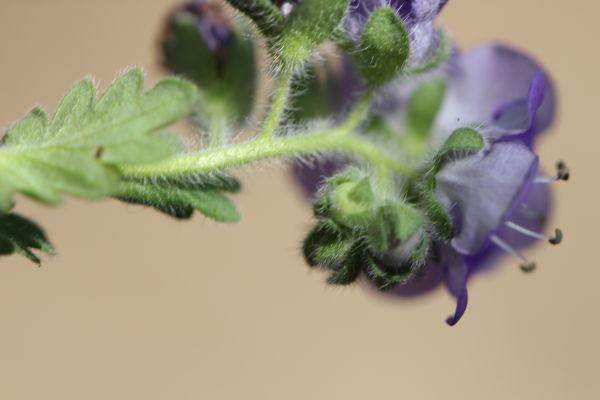
Description: Annual to 30 cm or higher with mostly reclining or ascending stems. Leaves alternate, hairy, fern-like 1-10 cm long, toothed, lobed, or pinnately compound. Flowers in uncurling racemes, small, bell-shaped. Flowers one-sided coils. The corolla 12-25 mm wide, blue-violet, sometimes with white center.
Field Identification: Spring flower. Usually in clusters. Sprawling, often forming dense mats in open, sunlit areas. Distinguished from P. congesta by its unbranched inflorescences and its lack of sticky glands on the stems.
Plant Trivia: Adaptable to dry conditions, making it suitable for drought-prone areas. Very attractive plant.
Occurrence: Frequent on sand in prairies and openings. Native to the southwestern U.S. and parts of Mexico.
Bloom Period: Feb-Apr
Plant Use: Flowers draw bees, butterflies, and other pollinators. As a cover crop, it can improve soil structure, add organic matter, and reduce erosion. Dense growth mats help smother weeds.
Dichotomous Key to the Genus Phacelia:
- Racemes clustered………………..………………………………..P. congesta
Racemes simple………………………………………………………………………2
2. Corolla pale violet-blue……………………………………..……..……P. laxa
Corolla darker……………………………………………..……..P. paulifolora
 stxflora