Pseudognophalium obtusifolium
Family: Asteraceae
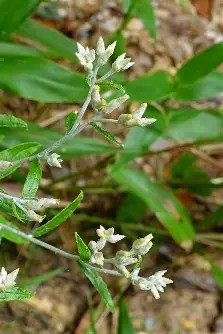
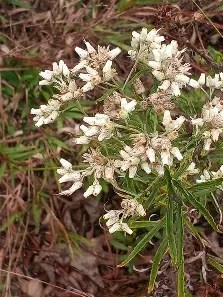
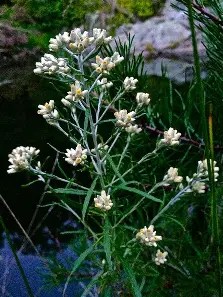
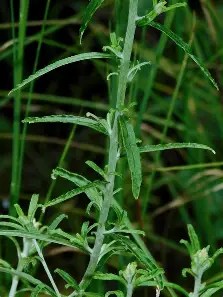

Description: Annual with aromatic leaves 3-10 cm long. Heads in corymbs, 4-6 mm long, discoid, white or yellowish. Grows up to one meter tall and is a biennial plant. In its first year, it forms tightly packed rosettes covered in woolly hairs. In the second year, it produces a tall stem with alternate, narrow elliptical leaves and yellow peg-shaped flowerheads arranged in clusters. The leaves and stems are silvery-green and densely covered with white woolly hairs, and when crushed, they emit a distinct maple-syrup-like aroma.
Field Identification: Aromatic foliage, attractive silvery appearance. Erect, cottony, silver stem bears with narrow, green leaves that give off maple syrup smell when crushed. Produces branched clusters of whitish-yellow, round, fragrant flower heads.
Plant Trivia: Ants may form a symbiotic relationship with the plant, exchanging nectar for protection.Larval host: American Lady (Vanessa virginiensis) and Painted Lady (Vanessa cardui) butterflies.
Occurrence: Frequent in sandy prairies and openings or sometimes on shell deposits. Extends from Alberta east to Nova Scotia, south to Florida, west to Texas, and north to Nebraska and Minnesota.
Bloom Period: October-December
Plant Use: Supports American Lady butterfly larvae and attracts short-tongued bees, wasps, and flies. Its foliage is browsed by wild turkeys and deer. Native American tribes historically used this plant for medicinal purposes. The Alabama tribe used decoctions for nervousness and insomnia, while the Cherokee applied it for muscle cramps, local pains, and respiratory ailments. The Choctaw used leaf and blossom decoctions for lung pain and colds, and the Creek incorporated it in washes for mumps, vomiting, and spiritual purposes. It was also used as a cough syrup, sweat bath treatment, and for sore throats.
Dichotomous Key ro the Genus Pseudognaphalium:
- Leaves not decurrent…………….……………….……….P. obtusifolium
Leaves decurrent down the stem as thin wings…..P. viscosum
 stxflora