Cyperus rotundus
Family: Cyperaceae
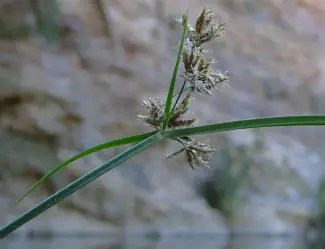
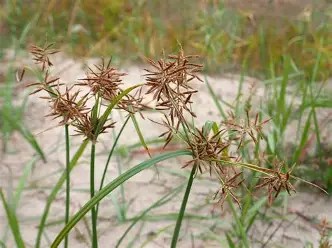
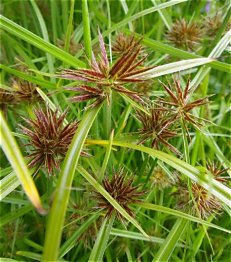
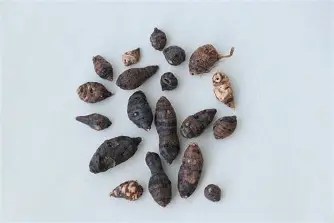
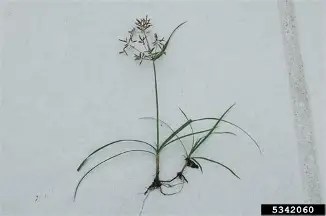
Description: Perennial herbaceous sedge. may reach a height of up to 140 cm (55 in).
Location: Native to Africa, southern and central Europe, (north to France and Austria), and southern Asia.
Soil Type: Prefers dry soil but will tolerate moist soil.
Trivia: Nut sedges get their name from their tubers (which are way nuts). Leaves of all Cyperaceae sprout in ranks of 3 from the base of the plant. C. rotundus was part of a set of starchy tuberous sedges that may have been eaten by Pliocene hominins. C. rotundus was employed in ancient Egypt, Mycenean Greece, and elsewhere as an aromatic and to purify water. It was used by ancient Greek physicians Theophrastus, Pliny the Elder, and Dioscorides, as both medicine and perfume.
Bloom: Importance: It is a staple carbohydrate in tropical regions for modern hunter-gatherers and is a famine food in some agrarian cultures. The antibacterial properties of the tubers may have helped prevent tooth decay in people who lived in Sudan 2000 years ago. Less than 1% of that local population’s teeth had cavities, abscesses, or other signs of tooth decay, though those people were probably farmers (early farmers’ teeth typically had more tooth

