Scientific Name: Opuntia engelmannii
Family: Cactaceae
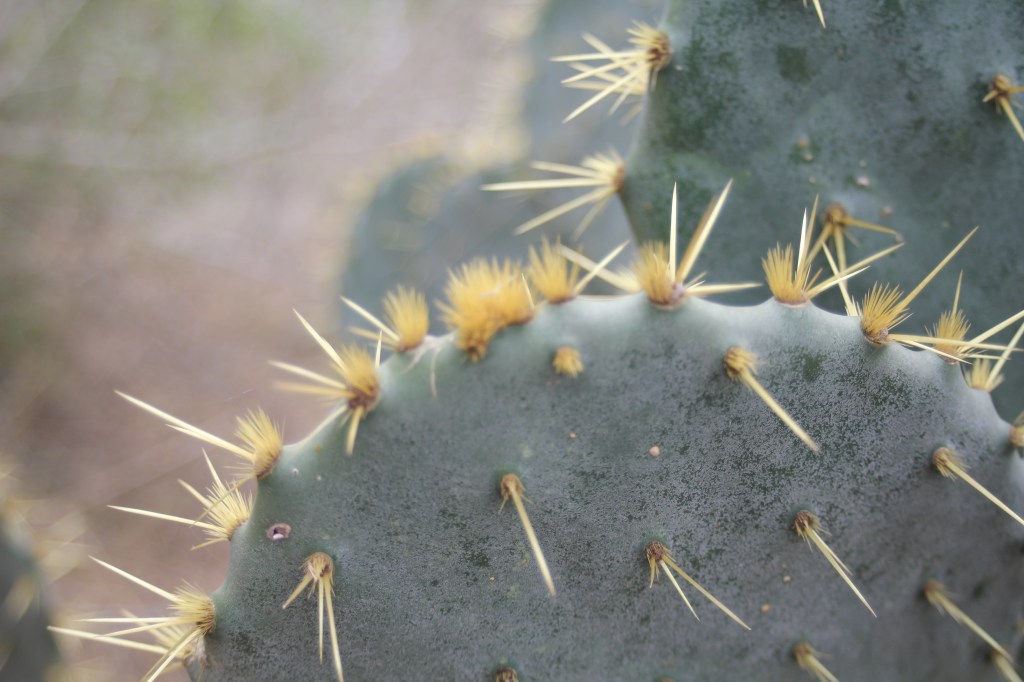
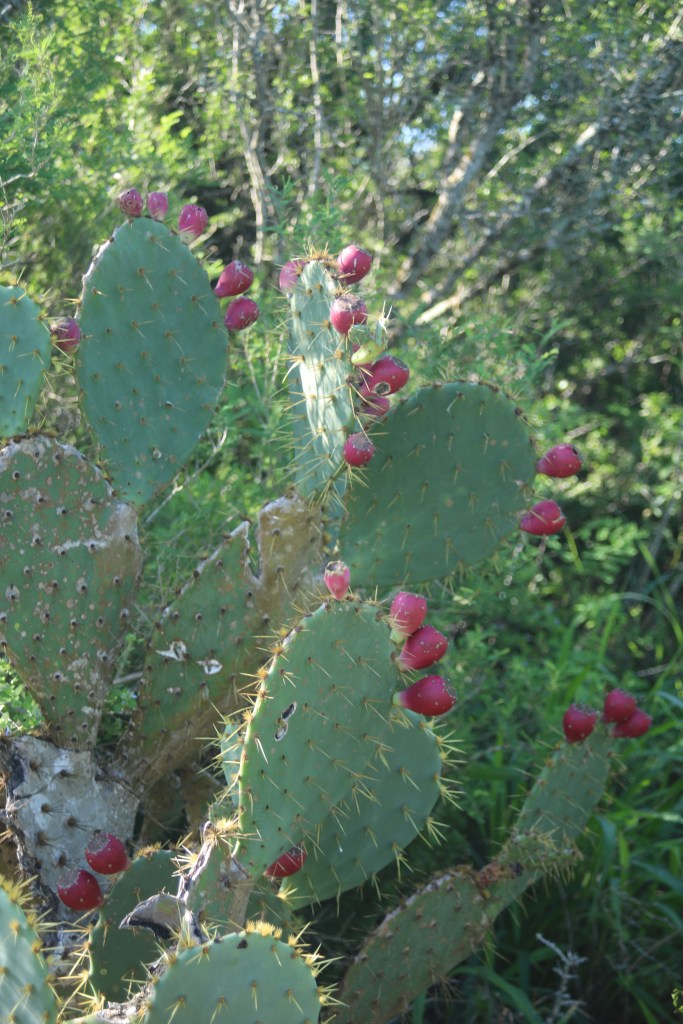
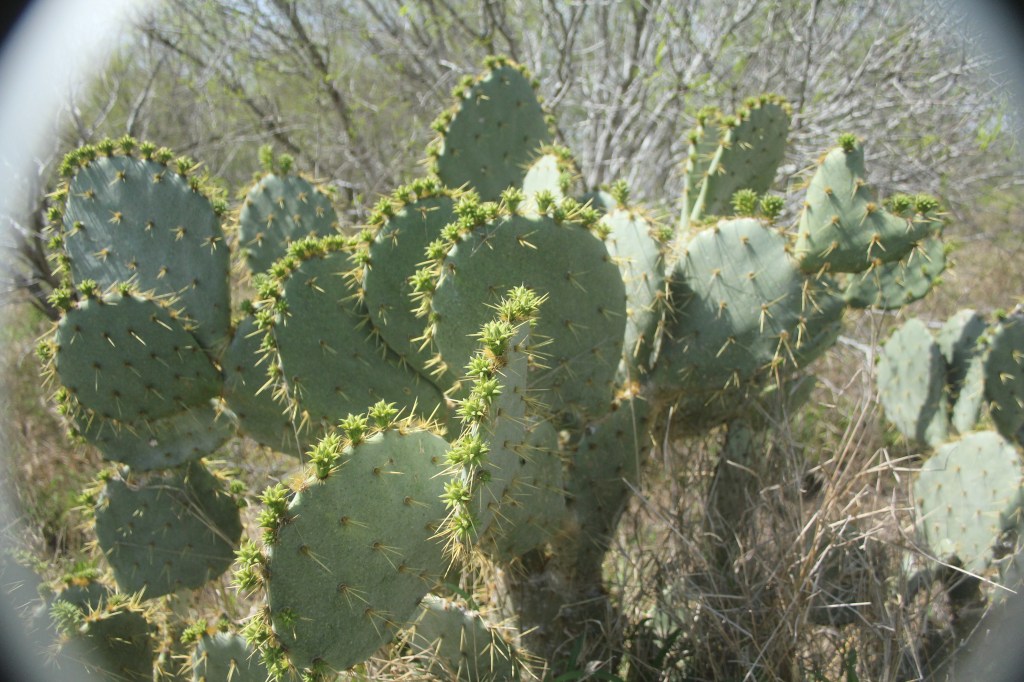
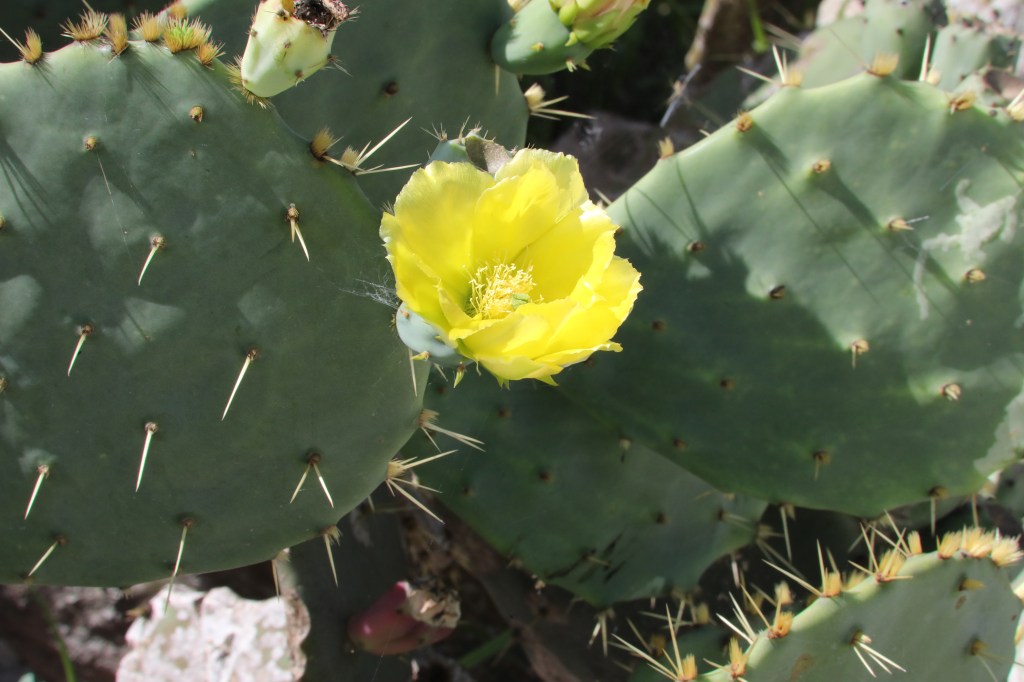
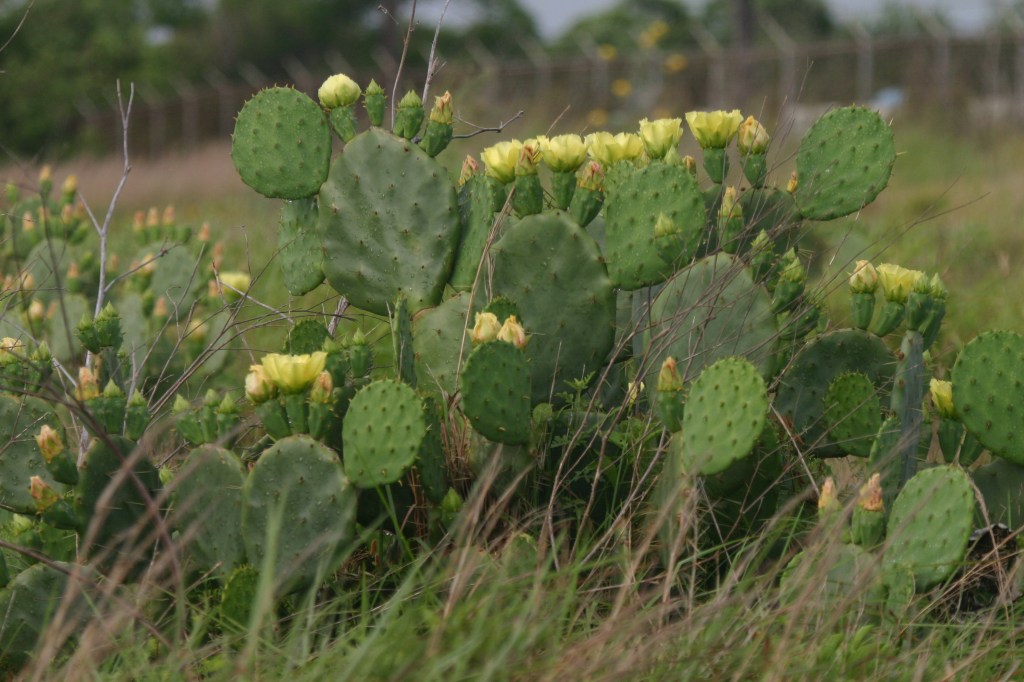
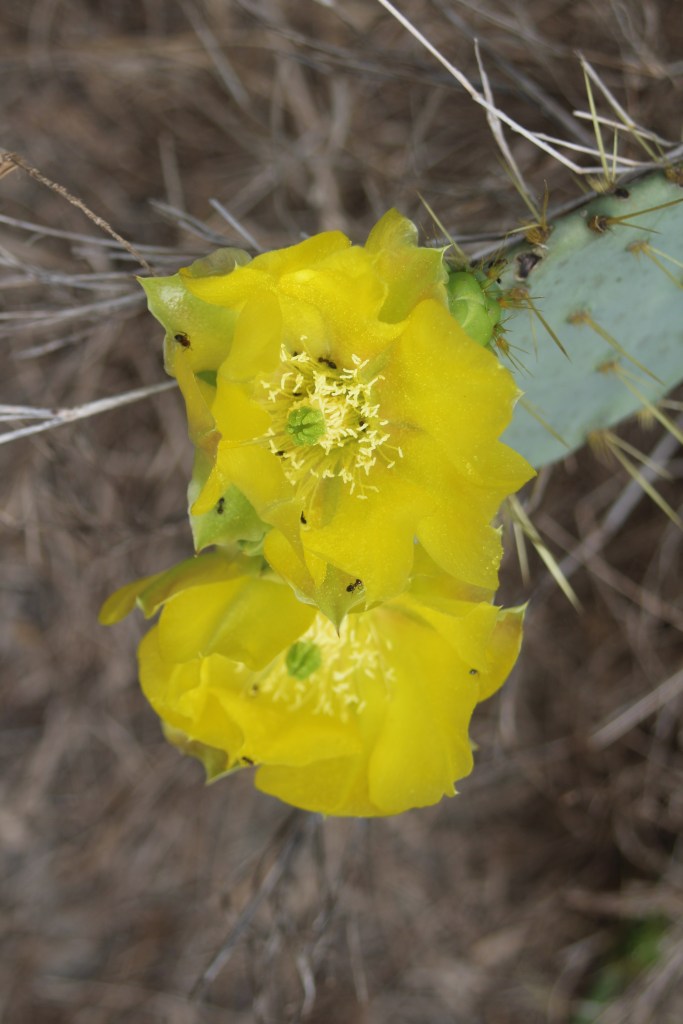
Plant Description: Stems upright or sprawling, often forming broad clumps to 2 m or higher. leaves very small, cylindrical, curved, produced during new growth and falling off quickly. Joints usually 15-30 cm long, mostly obovate or subcircular. Flowers 7-10 cm long, about as wide; the petals yellow to orange or red. Fruits 2.5-8 cm long. obovoid or pear-shaped, red to purple.
Plant Trivia: Glochids are extreme irritating of the spines, since they are barbed and brittle. This cactus is often infested with cochineal beetles forming small white mats. Removal of one and mashing it reveals a vivid red secretion. This dye has been used for centuries to dye feathers, textiles, and other items.
Field Identification: Stereotypical cactus with large spines and large flat stems.
Occurrence: Common on various soils in prairies, openings, brushy thickets, and woods; frequent on coastal dunes, flats, and shell deposits.
Bloom Period: Spring, Summer
Plant Use: Important wildlife food and water plant for wildlife. Fruit (tunas) are eaten raw or made into jellies and preserves. Young pads (nopalitos) are cooked and served with a peppery dressing. During droughts, ranchers may burn off spines so that cattle may graze on them. Many birds, reptiles and mammals utilize prickly pear for food, water and shelter. The Wood Rat, Neotoma sp., often build its nest among the prickly pear growth and create tunnels beneath with entrance and exit locations.
Key to species of Opuntia is found in Plants of the Texas Coastal Bend by Royl. Lelyman, Ruth O’Brien and Tammy White.
 stxflora