Sida spinosa
Family: Malvaceae
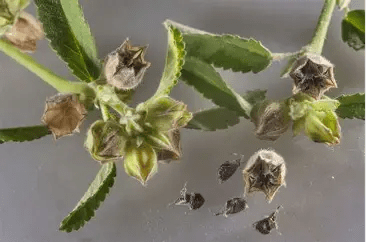
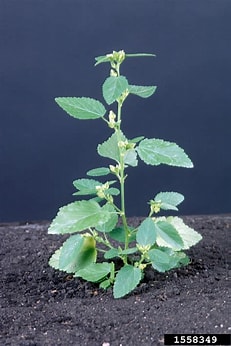
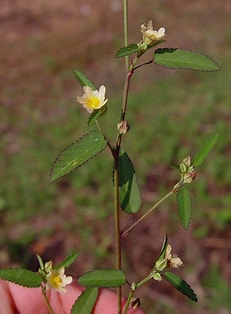
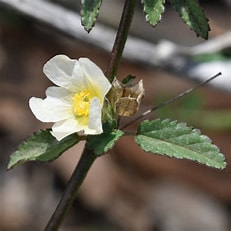
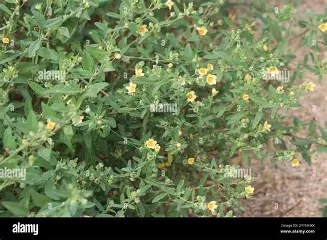
Description: Annual to 75 cm high with lanceolate or linear leaves 1-5 cm long. Leaves with crenate-serratemargins and a small spine-like tubercle at the petiole-stem junction. Flowers mostly lustered, the petals 5-7 cm long, yellow. The calyx is ribbed and persistent, enclosing the fruit, which consists of 5–10 mericarps, each with two small horns at the apex.
Field Identification: Can be recognized by feeling the small points at the base of the larger leaves. The points are usually small and difficult to see. Leaves arranged alternately along the stem. One notable characteristic is the presence of fine hairs on the leaves, giving them a slightly fuzzy texture.
Plant Trivia:
Occurrence: Frequent on various soils in prairies, openings, and waste places. Native to the seasonally dry tropics and subtropics and is an introduced species in similar environments throughout the world. It can thrive in various soil types, including clay, loam, and sand, and can tolerate a range of pH levels from acidic to alkaline.
Bloom Period: Apr-Dec
Plant Use: This plant attracts a variety of bees, butterflies, and birds. Some mammals also graze on its leaves. For men, this plant has been used as a natural remedy for boosting stamina and managing stress. It is sometimes included in herbal formulations aimed at enhancing general vitality and sexual health. is also believed to have mild analgesic properties, making it useful for managing mild pain and inflammation. It’s sometimes used in traditional medicine for treating fevers and respiratory conditions like coughs and colds. In some cultures, the young leaves are consumed as a vegetable. They can be added to soups or stews for their mild, mucilaginous texture.
Dichotomous Key to the Genus Sida: Plants f the Texas Coastal Bend by Roy L. Lehman, Ruth O’Brien & Tammy White
 stxflora