Polpygonium pensylvanicum
Family: Polygonaceae
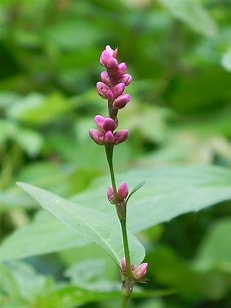
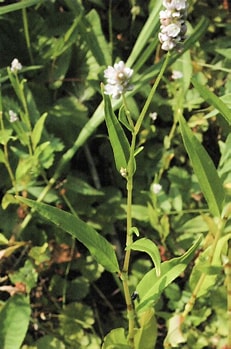
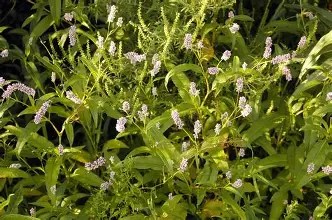
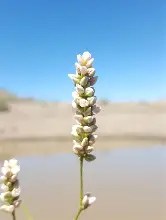
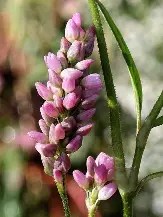
Description: Annual to 1.8 m high. Leaves are alternate, lance-shaped, 4–17 cm (1.6–6.7 in) long, sometimes up to 23 cm; often darkly mottled; short petioles with membranous sheaths. Racemes 2-6 cm long. Large stipules. Perianth 3.5 -45 mm long, pink, lavender, or rose.Seeds are black, shiny, flattened, almost round.
Field Identification: Stems are ribbed, reddish, with swollen nodes; often glandular-hairy on upper branches.
Plant Trivia: It has is recognized as an introduced species in parts of Europe and South America. Native Americans have various uses for the plant. Chippawa use it for epilepsy. The Iroquois use it for horse colic The Menominee take a leaf infusion for hemorrhage of blood from the mouth and post-partum healing. The Meskwaki use it on bleeding hemorrhoids.
Occurrence: Native to Canada (Manitoba to Newfoundland) and the contiguous U.S. (including Alaska), except Washington, Idaho, and Utah. Frequent in low sandy prairies or openings, along streams, around lakes, or in ditches.
Bloom Period: Apr-Nov
Plant Use: Pollinator source for beetles, flies, and bees. Seeds eaten by waterfowl (ducks, geese, rails), bobwhites, mourning doves, ring-necked pheasants, and 30+ nongame bird species. Other consumers include White-footed mice, muskrats, raccoons, fox squirrels.
Dichotomous Key: There are 9 species of the Genus Polygonum in our area. Refer to Plants of the Texas Coastal Bend by Roy L. Lehman, Ruth O’Brien & Tamm White.
 stxflora