Conoclinium betonicifolium (Eupatorium betonifolium)
Family: Asteraceae
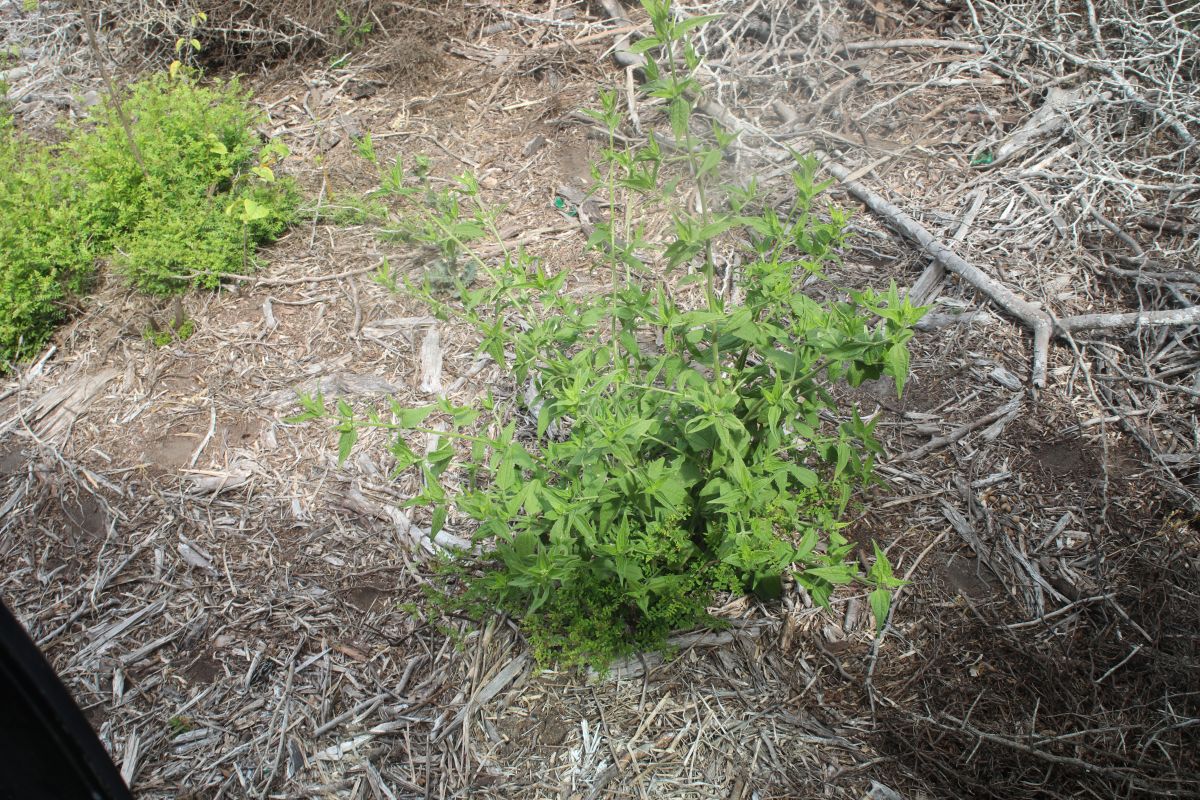
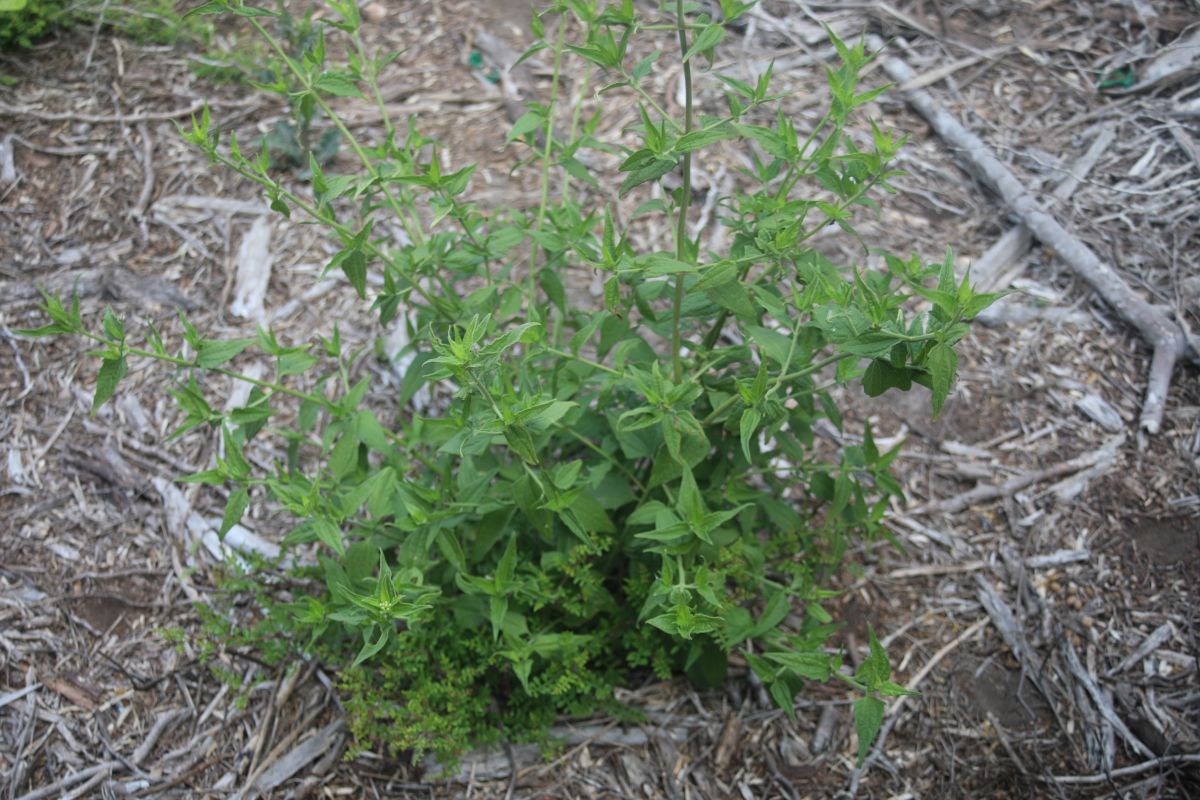
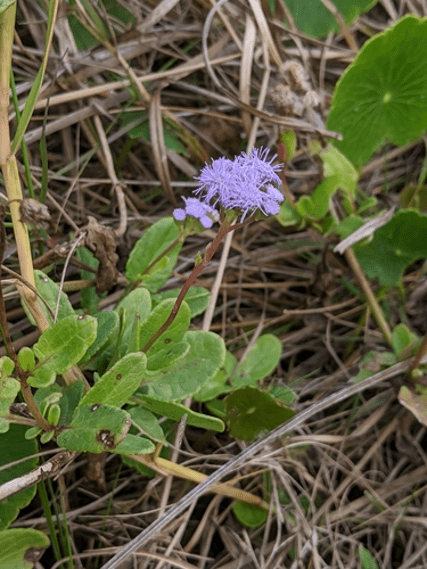
Description: : Perennial with usually recclining stems to 1 m long, the lower nodes commonly rooted. Leaves are oblong, 2-4 cm long. FlowFlower her heads in corymbs, 6-9 mm high, discoid; ccorolla light blue-violet.
Field Description: Bears moderately thicken, slightly scalloped–edged, rounded to oblong,, oppositely arranged leaves approximately forming an umbel. Inflorescences are all violet disk flowers, ray flowers., ray flowers.
Plant Trivia: Native Americans used this plant externally and internally for just about every malady known, including drinking a tea from the roots to treat alcoholism. Mistflower was also used to treat horses internally for fevers and parasites and externally on swollen sore joints. Native Americans would place entire plants in the liquor flasks of their enemies as a poison.
Occurrence: Frequentlyly founfound on d on damp sands in depressions and swales of the barrier islands and along the mainland coast.
Bloom Period: April – December
Plant Use: Mistflower is one of the most important nectar sources for butterflies and moths. This plant is the larval food plant for the rrounded metalmark butterfly and several species of moths.
Dichotomous Key:
1. Corolla white……………………………………..…………………………………Eupatorium
Corolla blue-violet, mauve, lavender-pink, sometimes white………2
2. Heads 10-12 mm high……………………………………………………..Chromolaena
Heads 6-9 mm high………………………………………………………….Conoclinium

