Justicia spicigera
Family: Acanthaceae
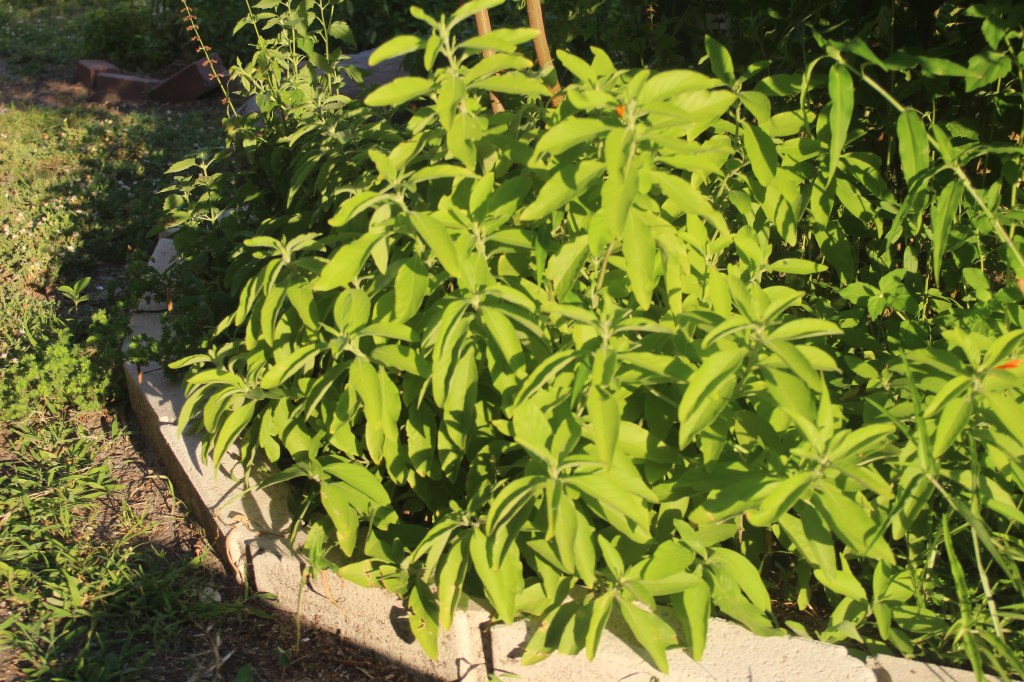
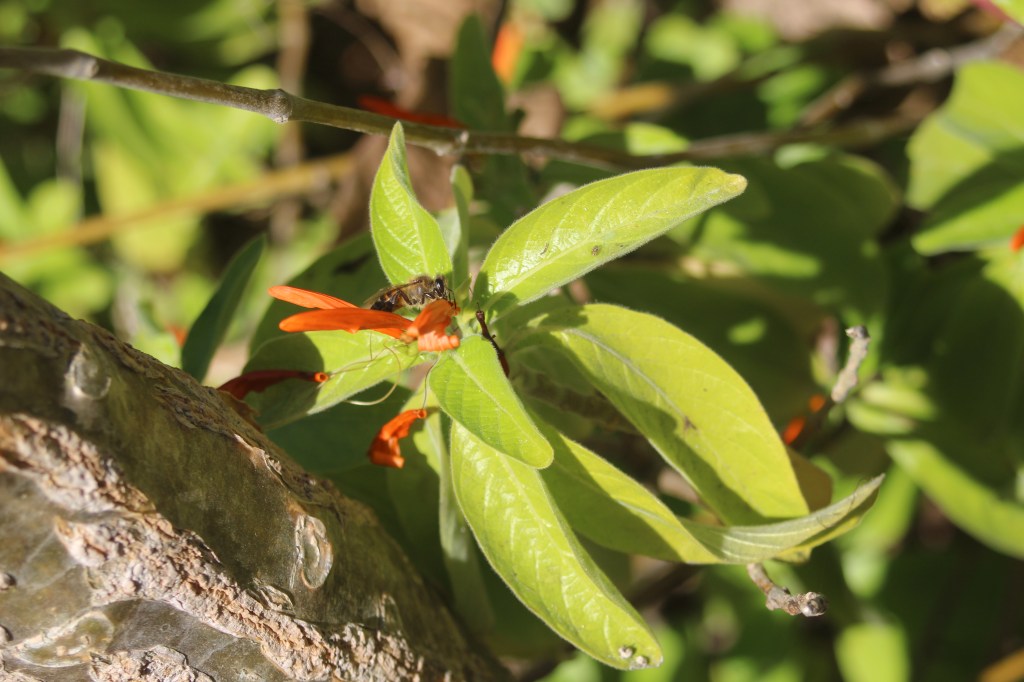
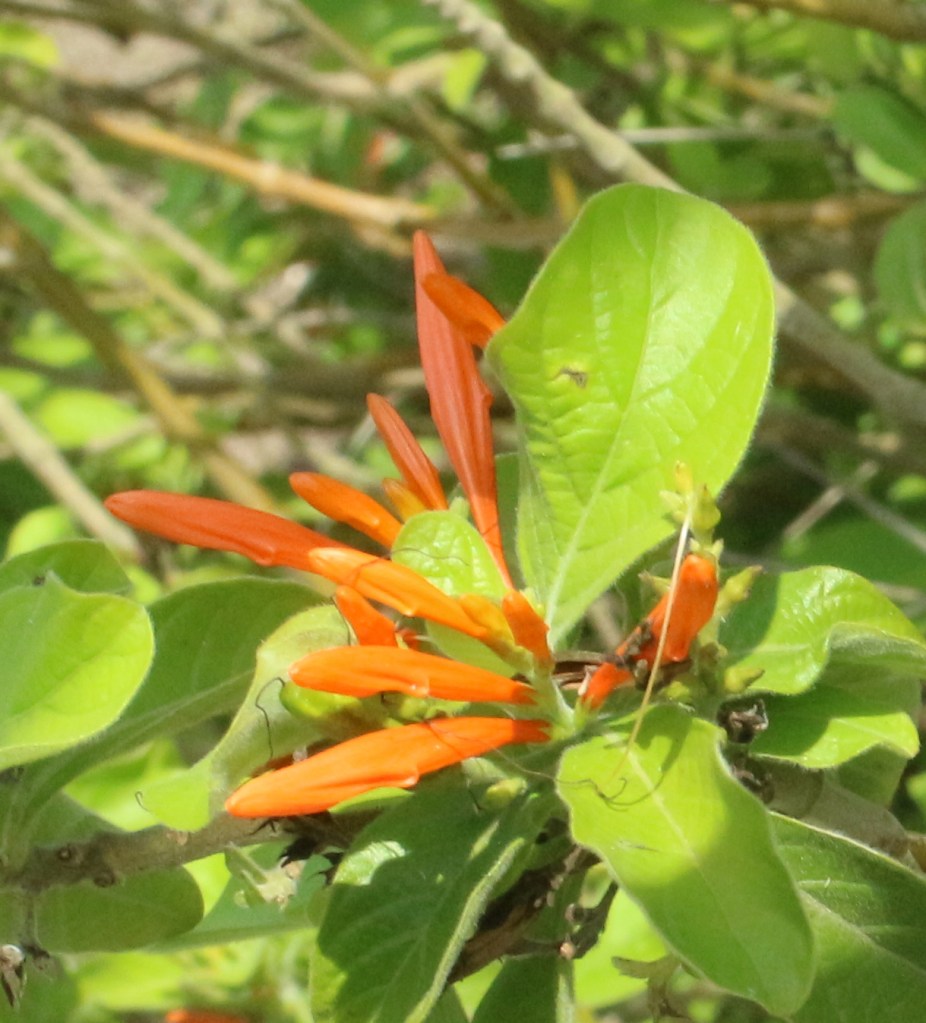
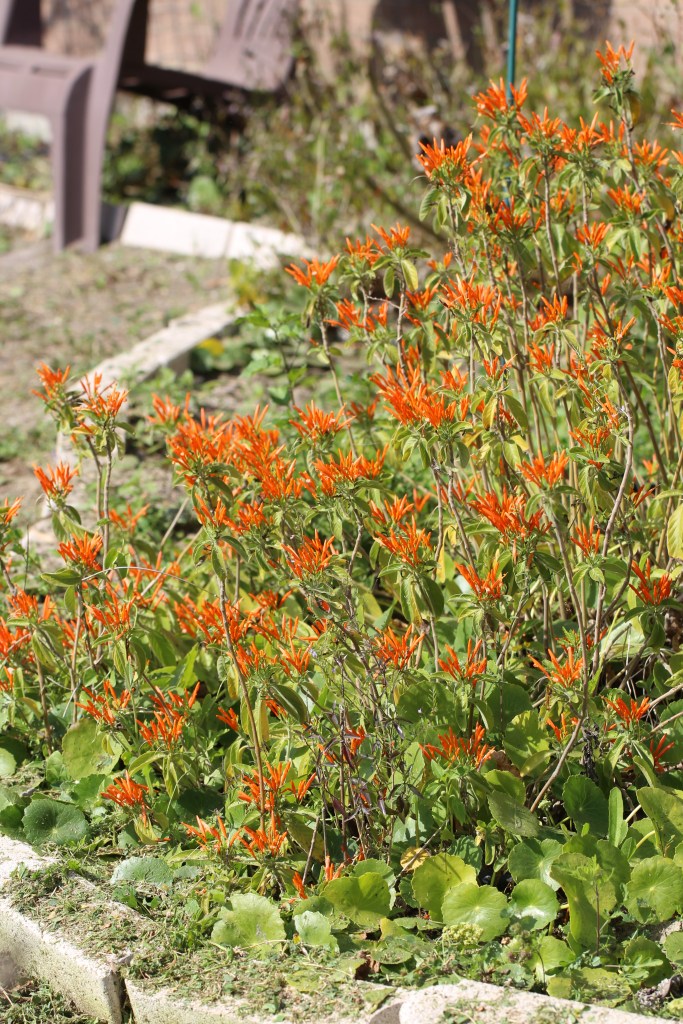
Plant Description: : It typically grows 2–5 feet tall with a spread of 3–6 feet, featuring light green, ovate leaves up to 3 inches long and clusters of bright orange tubular flowers. Erect plant with fuzzy, light green leaves. Lanceolate, medium to dark green, and oppositely arranged. Multi-stemmed shrub with a rounded form.
Plant Trivia: : Is considered as one of the most ancient plants used among artisan weavers in Santa Maria Atzompa, Oaxaca, Mexico. They use J. spicigera or “ink leaf” for obtaining a blue gray color; however, this color may fade when used alone [41]. It is also used widely in northern Veracruz (Veracruz Huastec), Mexico for the decoration of basketry. In Chicontepec, Veracruz, 87.5% of J. spicigera production is used for dyeing basketry. While in Hueycuatitla, Veracruz, the percentage of J. spicigera used for the same purpose is around 30%. Trueba-Sánchez [42] pointed out that J. spicigera was used as a dye during colonial and pre-Hispanic times by the Huasteca, Maya and Nahuatl cultures. Macerated leaves and stems produce blue-purple dye which is used to obtain various hues of blue. The dye was also used in colonial art, specifically paintings. J. spicigera is also used for coloring crafts in violet. It is also used to stain white clothes in Yucatan, Campeche, and Quintana Roo states in Mexico.
Field Identification: Plant about 2 feet tall; tubular, orange, terminal flowers. Light green, slightly dorsally folded, oblanceolate leaf.
Occurrence: Native to Mexico, Central America, and parts of the Caribbean, including Belize, Guatemala, and the Bahamas. Naturalized in many nature gardens.
Bloom Period: Year Round
Plant Use: Provides nectar for pollinators such as hummingbirds and butterflies, including the Texan crescent butterfly. Leaves are used in traditional medicine for respiratory issues, coughs, and asthma, and possess antibacterial properties. Boiling the leaves produces a deep blue or indigo infusion, which changes color depending on pH, historically used as a natural dye. Traditionally used as a brightening agent for fabrics.
Key to Genera if needed: Justica is represented by 2 species in the Coastal Bend: J. americana and J. pilosella.
 stxflora