Ciclospermum leptophyllum
Family: Apiaceae
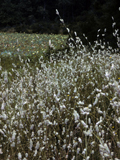
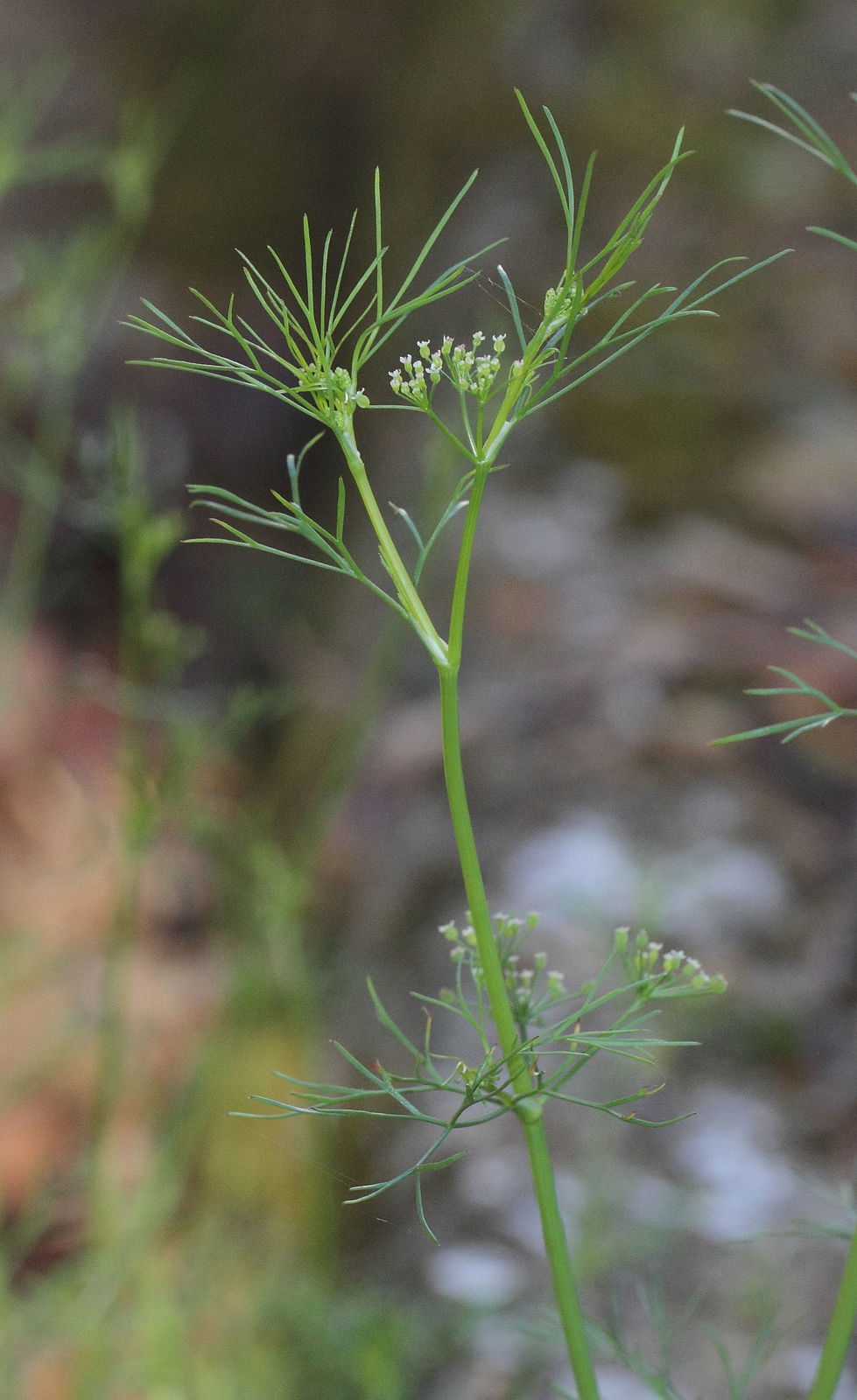
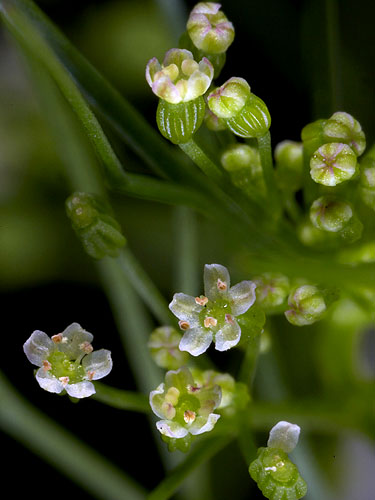
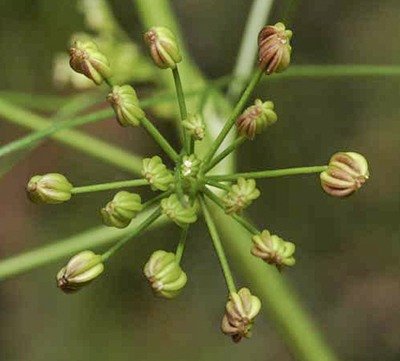
Description: Annual to 60 cm high. Leaves 3-10 cm long, decompound (more than once compound), the segments of upper leaves threadlike. Flowers mostly axillary in simple or compound umbels. Petals are less than 1 mm long, white.
Field Identification: Finely dissected, threadlike, green, 1–3 inches long, with a feathery, airy appearance. Aromatic fragrance is reminiscent of parsley.
Plant Trivia: Helps stabilize soil in marshy areas, preventing erosion, and plays a role in nutrient cycling. Its decay contributes organic matter to wetland ecosystems, enriching the soil and supporting plant diversity. This dynamic interplay promotes a vibrant ecosystem that can sustain multiple species.
Occurrence: Found on various soils in prairies, openings, and waste places. Mexico to southern tropical America
Bloom Period: Jan-May
Plant Use: Supports Eastern Black Swallowtail butterflies. Leaves sometimes used as a parsley substitute; caution advised due to possible acridness in damp soils. Traditionally used for unspecified medicinal purposes; also considered animal food. It serves as a vital habitat for various insects, birds, and other wildlife. The flowers provide nectar and pollen for pollinators such as bees and butterflies, while the foliage offers shelter and food sources for herbivores.
Propagation: Seeds prolifically; seeds germinate in moist soil.

