Erigeron canadensis (Conyza canadensis)
Family: Asteraceae
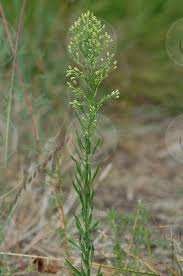
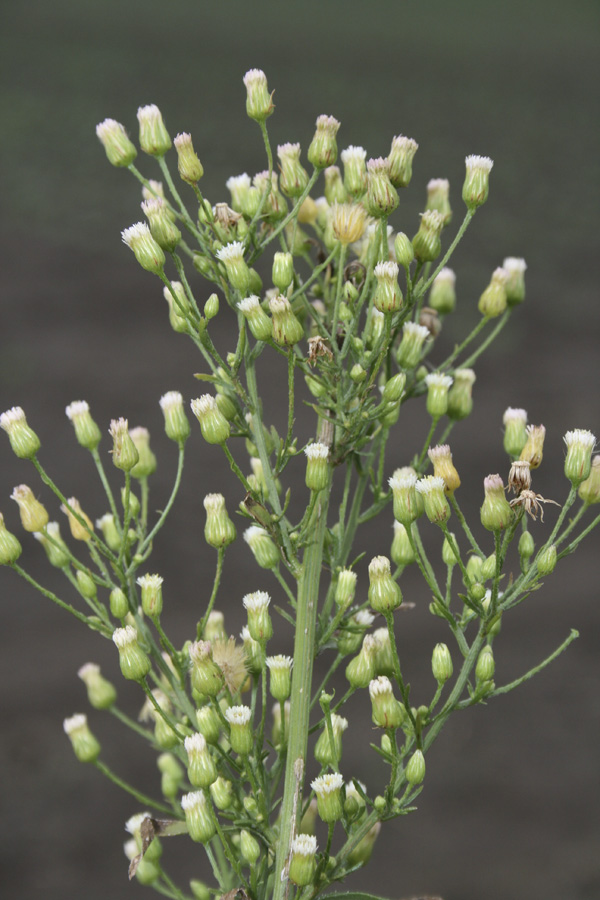
Plant Description: Annual, 30 -180 cm tall with narrow, slightly toothed alternate, lance-shaped leaves 2-10 cm long. Flower heads in panicles, 2-3 mm wide, white or pinkish rays about 1 mm long with yellow centers. Stout plant with hairy stems.
Field Identification: Tall, erect plant with leaves projected upward and tight to stem (usually narrower than the flower inflorescence. Each flower in the inflorescence is atop a long pedicle. Has stiff hairy stems.
Occurrence: Common on various soils in pastures, woods, fields, and waste places. North American native but spread worldwide.
Bloom Time: Summer to Fall
Plant Use: Good nectar source and has traditional use to stop bleeding, as and astringent to dry mucous membranes and to flavor candy and condiments and soda. Young, boiled leaves are edible and have a spicy, tarragon-like flavor. Deer do not eat it due to its turpentine, resinous, and bitter taste. Attracts many beneficial predatory insects and parasitic wasps. Provides nectar for native bees and butterflies,
Plant Trivia: Considered a noxious weed due to its ability to spread rapidly, and it is the first weed to produce glyphosate resistance. May be a skin irritant to sensitive-skinned folks.
Key to genus if needed:

