Monarda citriodora
Family: Lamiaceae
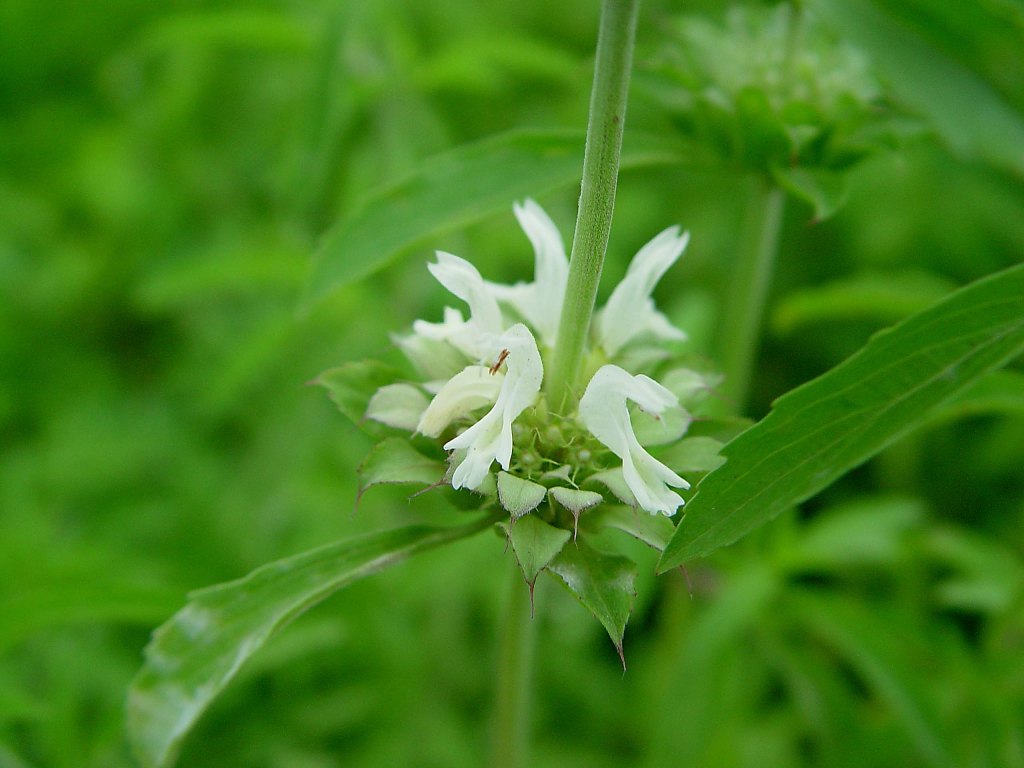
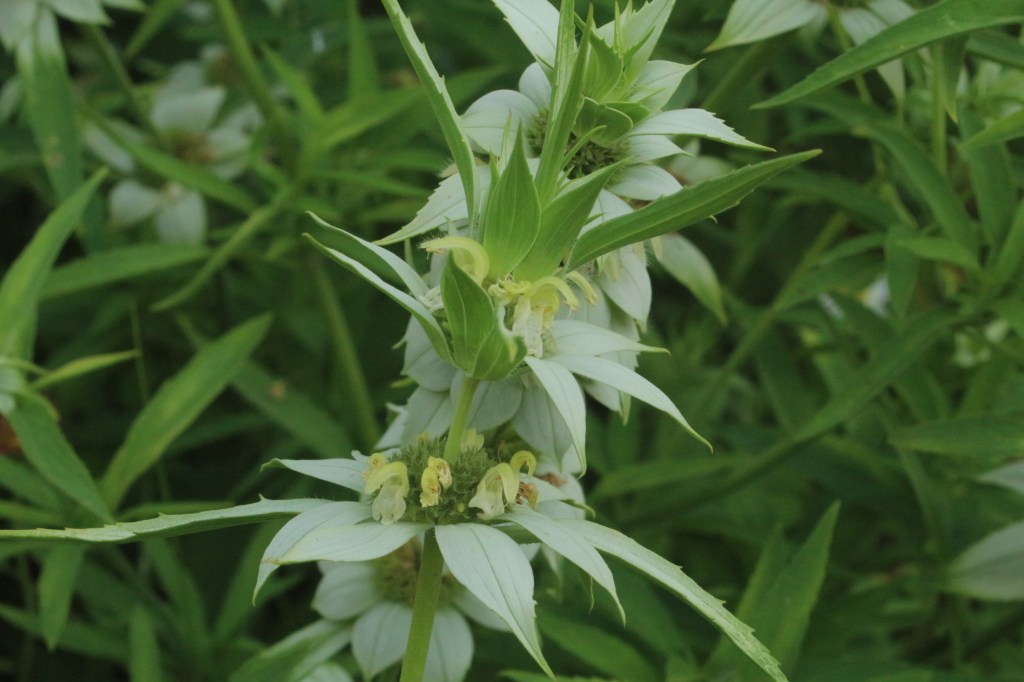
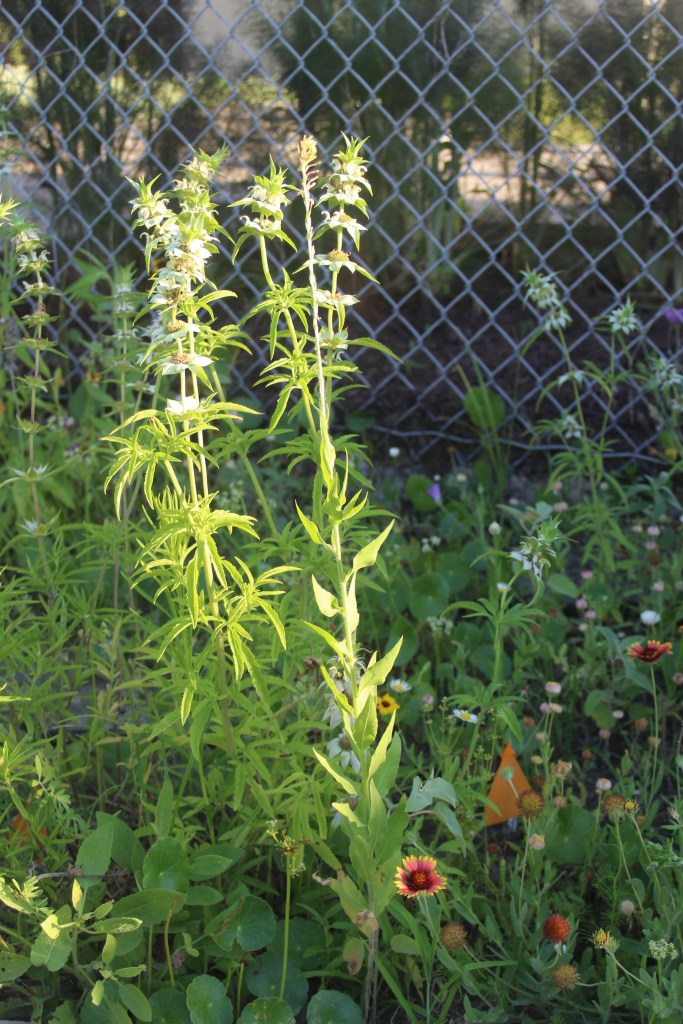
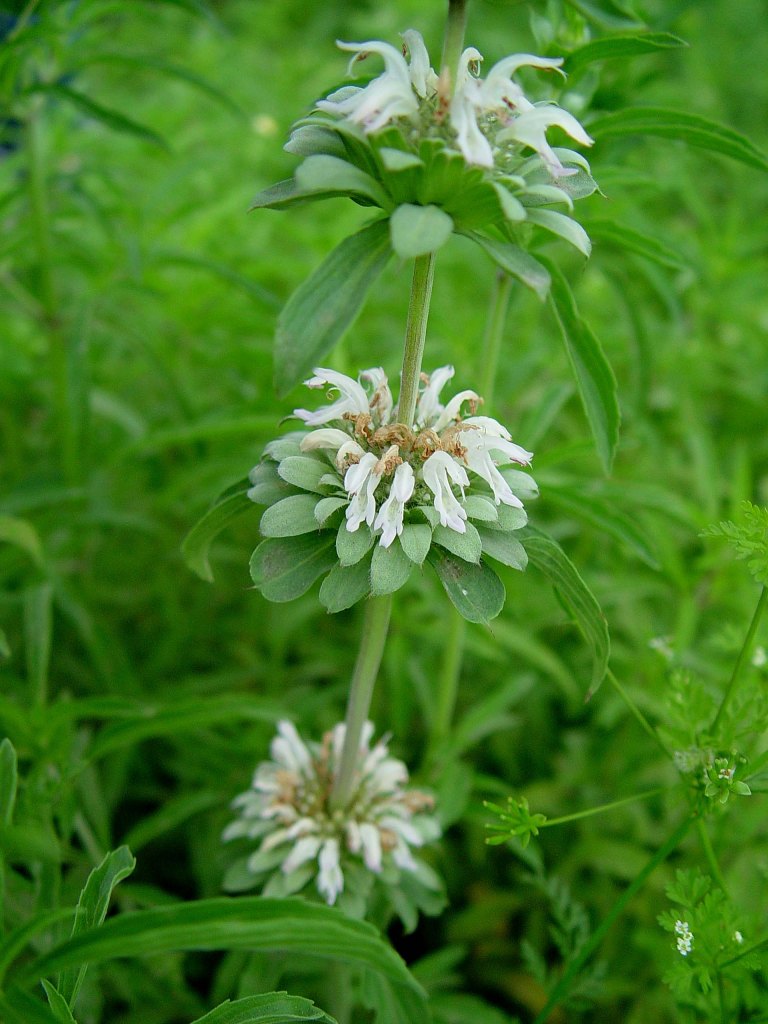
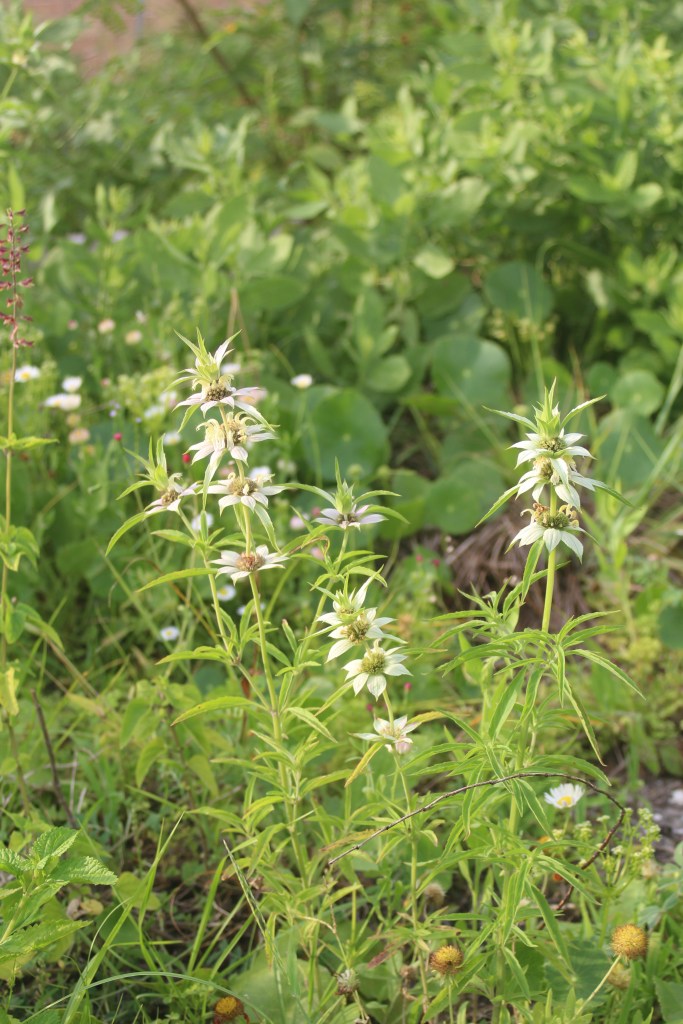
Plant Description: Annual to 35 cm high with mostly oblong to lanceolate leaves 2-5 cm long. Flowers in dense axillary whorls or heads, the corolla about 2 cm long, white, bilateral usually dotted purple. Leaves opposite. Lemon odor when leaves are bruised.
Plant Trivia: The term “beebalm” historically refers to the use of Monarda leaves as a balm for bee stings, while “horsemint” is a traditional name applied to several Monarda species.
Field Identification: Erect plant with distinctive lemony aroma when leaves are crushed, its showy lavender to pink flowers. layered platforms of leaf/bract platforms. Classical mint family member. Nearly always in large area coverage.
Occurrence: Common on clay and sandy soils, in prairies, open areas, and disturbed areas and along roadsides. naturalized areas, thriving in prairies, meadows, roadsides, and well-drained soils, and is often grown as an annual or short-lived perennial.
Plant Use: Some people use lemon beebalm as an addition to salads and teas. It’s also used sometimes in wines and liqueurs. It can give a good flavor to certain seafood and meat dishes too, such as crab and chicken. Lemon beebalm is an ingredient in many dessert recipes, and is used for flavoring in cakes, cheesecakes, sauces, and pies. But most recipes bearing the name “lemon mint” actually used spearmint and the juice or other components of the actual fruit of the lemon plant rather than this plant. However, lemon beebalm is occasionally used in herbal teas. Teas made from the leaves is used by herbalists to supposedly treat colds, coughs, fevers, and respiratory problems. The essential oil of lemon beebalm contains citronellol, which makes it useful as an insect repellent. It has been used to deter fleas and mites.
Bloom Time: Spr-Fall
Propagation: Sow seeds in pots or directly on ground.
Key to the species of Monarda:
- Flower bracts usually 8, tapered to a point………………………………………………2
Flower bracts more than 20, bristle-tipped………………………………………………4
2. Leaves 2-5 mm wide………………………………………………………………M. fruticulosa
Leaves partly or all broader………………………………………………………………………….3
3. Corolla white……………………………………………………………………………..M. maritima
Corolla greenish yellow…………………………………………………………..M. punctata
4. Flower bracts and calyxes purple………………………………..M. clinopodioides
Flower bracts and calyxes greenish or whitish sometimes tinged with purple……………………………………………………………………………………………………..M. citriodora
 stxflora