Conoclinium dissectum (Eupatorium greggii); Conoclinium greggii
Family: Asteraceae
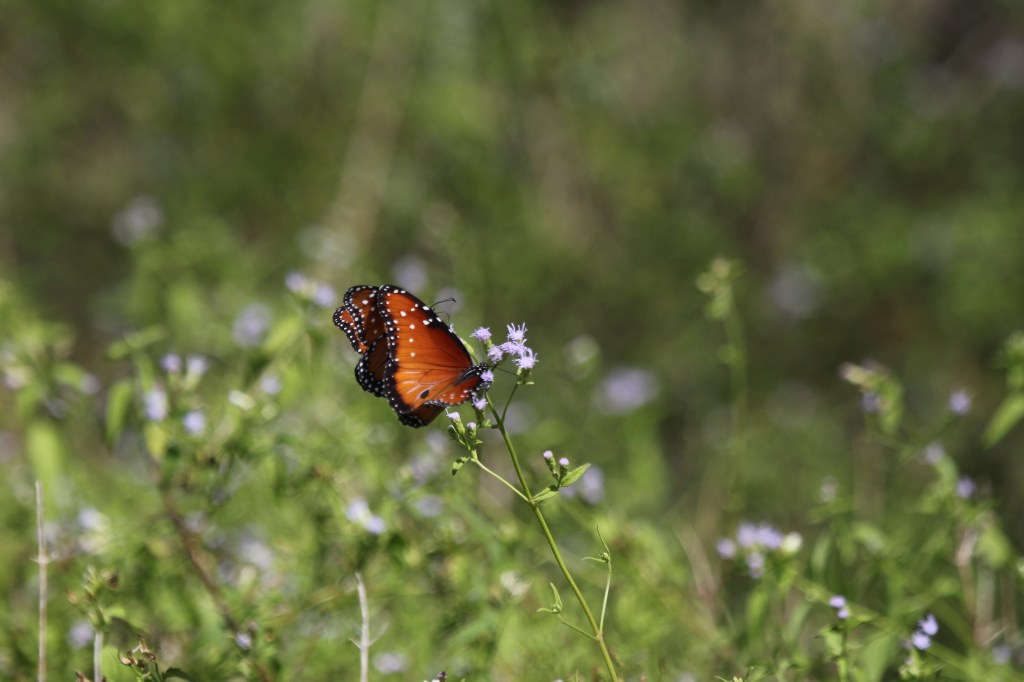
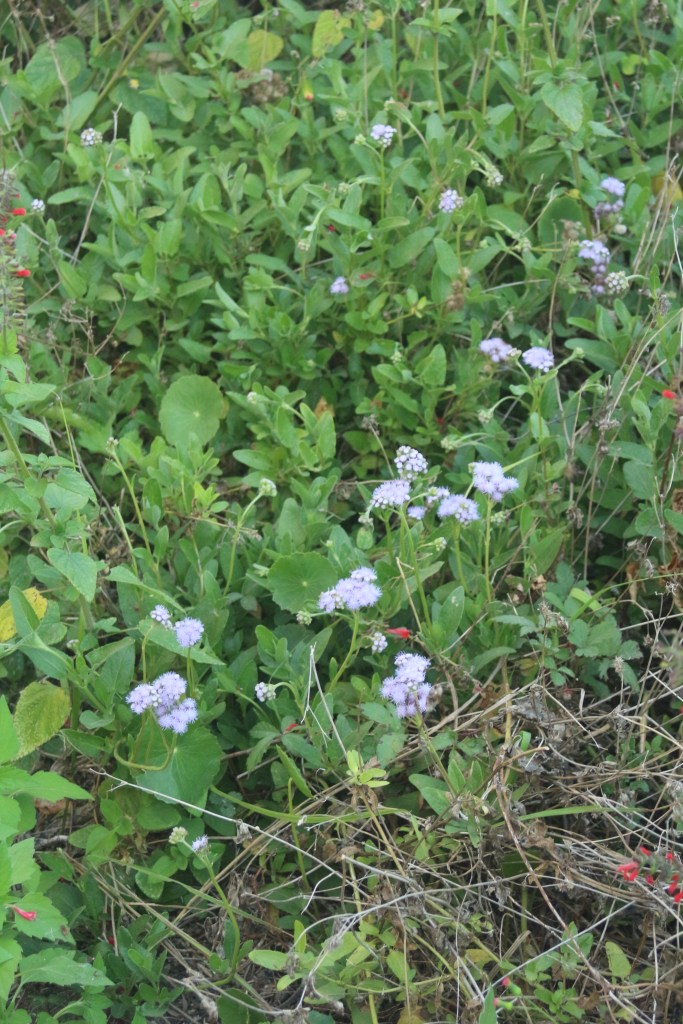
Plant Description: Perennial herb/forb. The rayless flower heads are clustered at the stem tips and have light blue to purple disk flowers with similarly colored, long, threadlike stigmas. The leaves have a tapering base and are green, minutely hairy, opposite, petiolate, egg-shaped to somewhat triangular, and deeply dissected or lobed with either pointed or rounded tips. The stems are erect to sprawling, green to brownish, and minutely hairy. The plants reproduce by seed or spread by underground rhizomes. Flowers are about 1 m long and 1.2 cm broad. Plants may grow to 1 meter tall and 1 meter wide.
Plant Trivia: specimens to the eminent botanist George Engelman in St. Louis. Subsequently, the American Botanical Society added the Latin name “greggii” in his honor to twenty-three species of plants. Gregg died on February 25, 1850, because of a fall from his horse.
Field Identification: Plant that initially grows tall then falls over and roots at lower nodes while spreading out. Leaves are highly dissected. Flower prolifically in sunshine; less so in shade. Flowers are all disk flowers. Small, purplish-blue flowers cluster together to form puffy, 2 in., cushion-like flower heads.
Occurrence: Grows in a variety of well drained soils with variable pH. Frequent along stream beds and overflow areas in the Trans-Pecos, east to Edwards Plateau and Rio Grande Plains. Sand, loam, clay or limestone. Seasonally flooded stream beds; plains; overflow areas.
Bloom Period: Summer-Fall
Plant Use: Perennial and mixed borders, pockets of color, rock gardens, mass plantings for slopes, butterfly and pollinator gardens, small scale groundcover, naturalizing in wildflower areas or in pocket prairies.
Key to Genera if needed: “Mistflowers” fall into several genus: Eupatorium, Chromolaena, Conoclinium.
 stxflora