Solidago odora
Family: Asteraceae
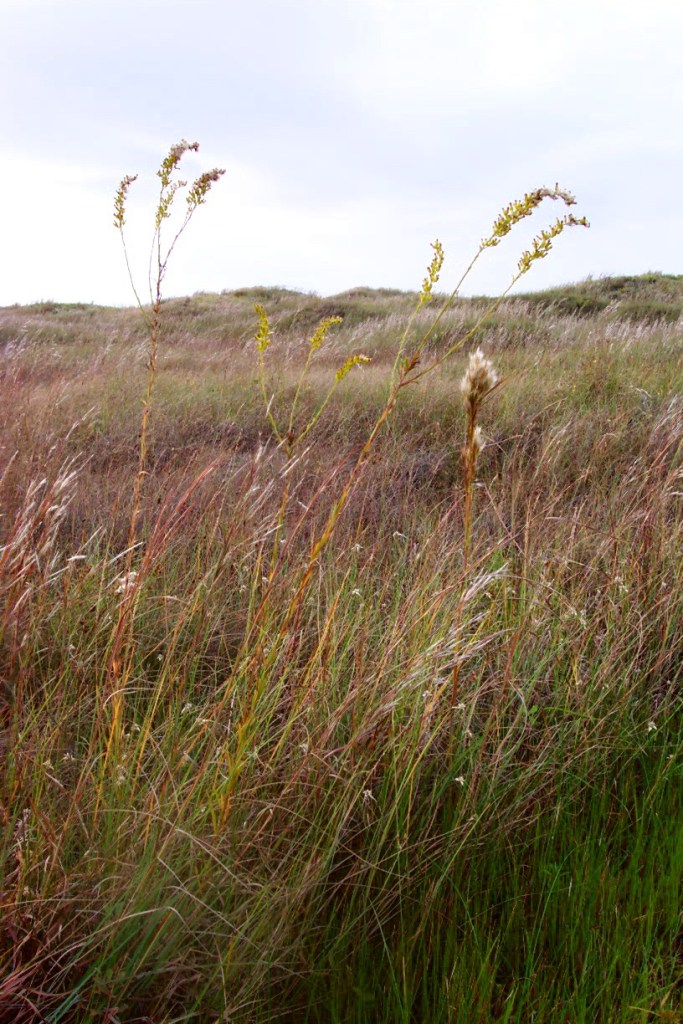
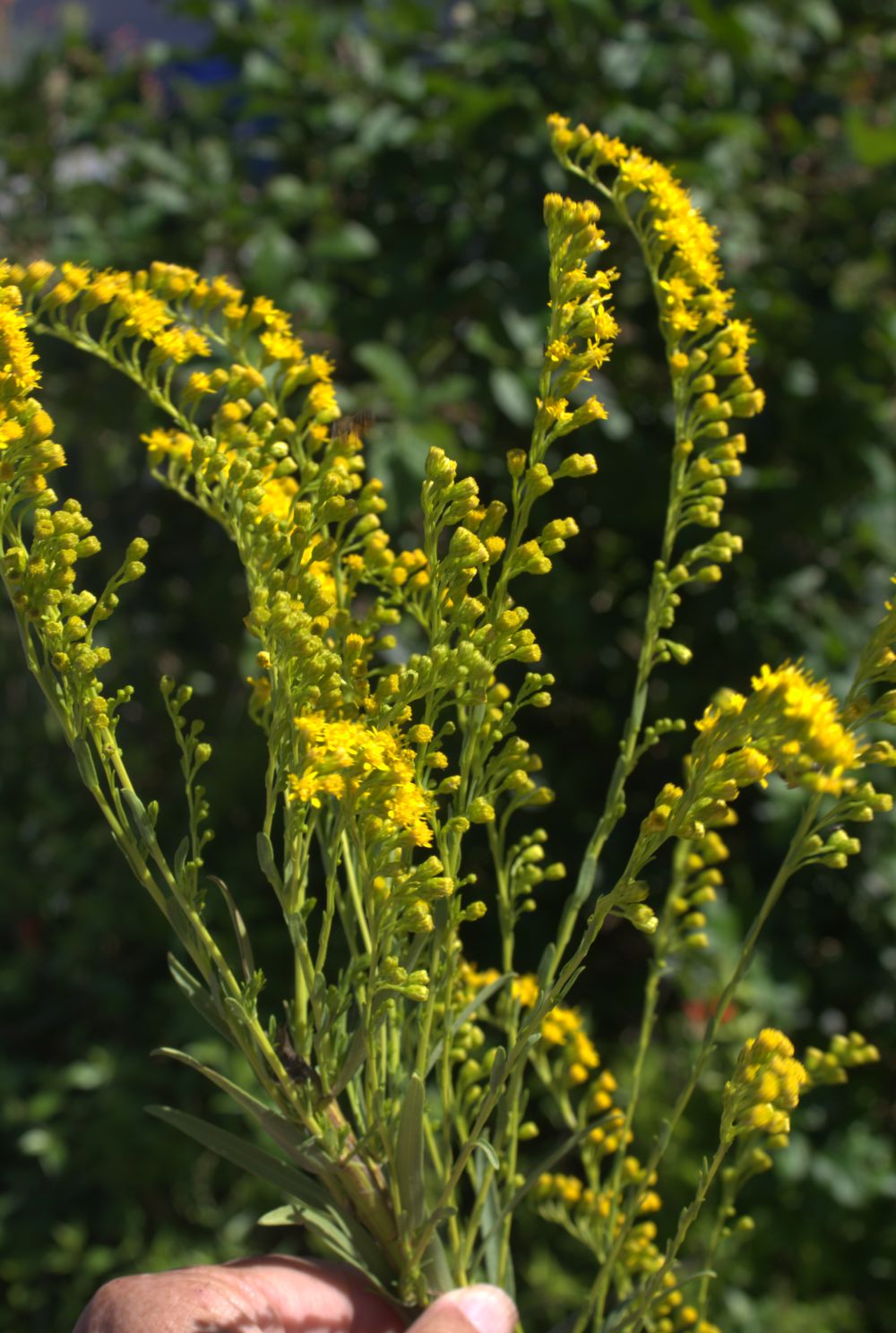
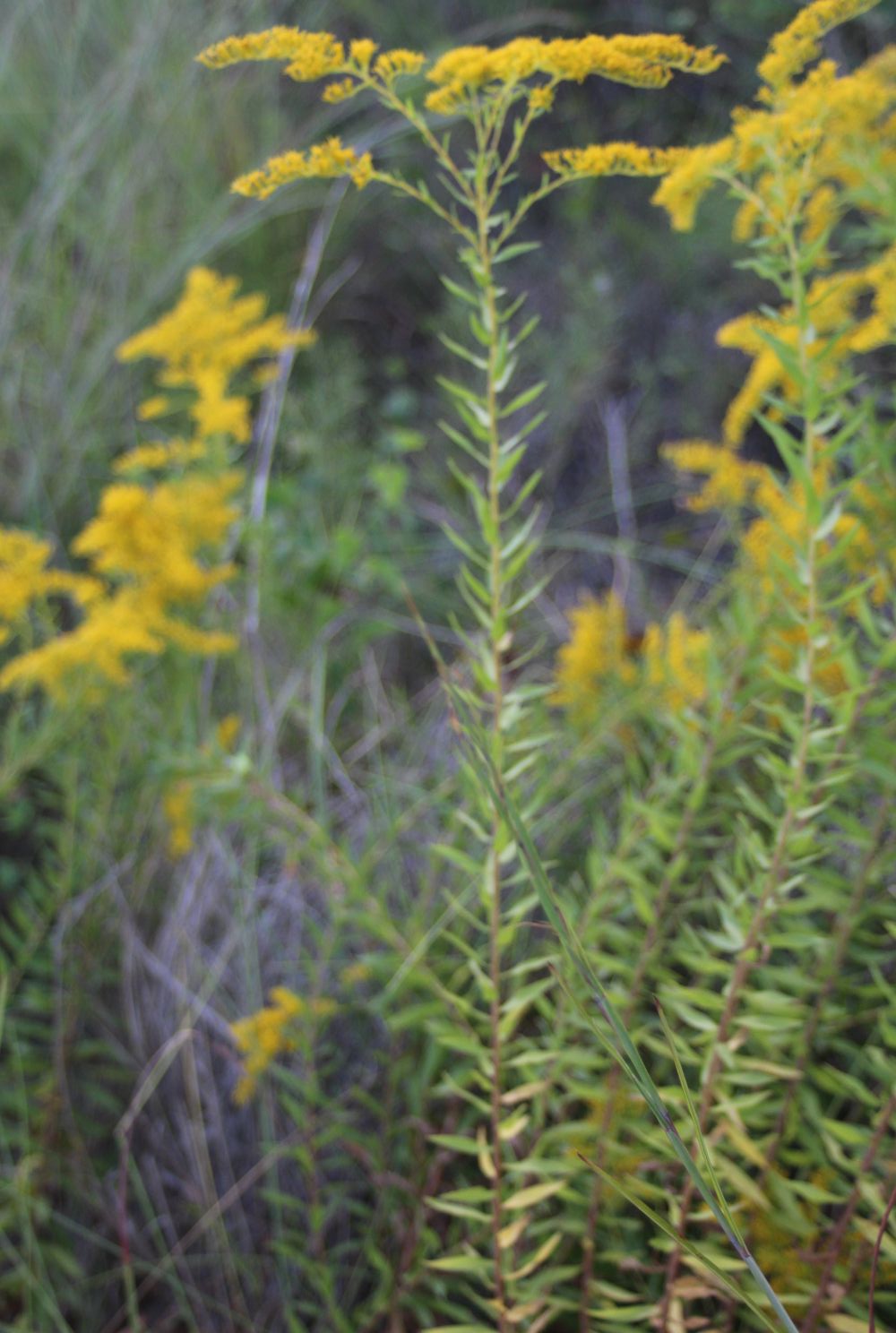
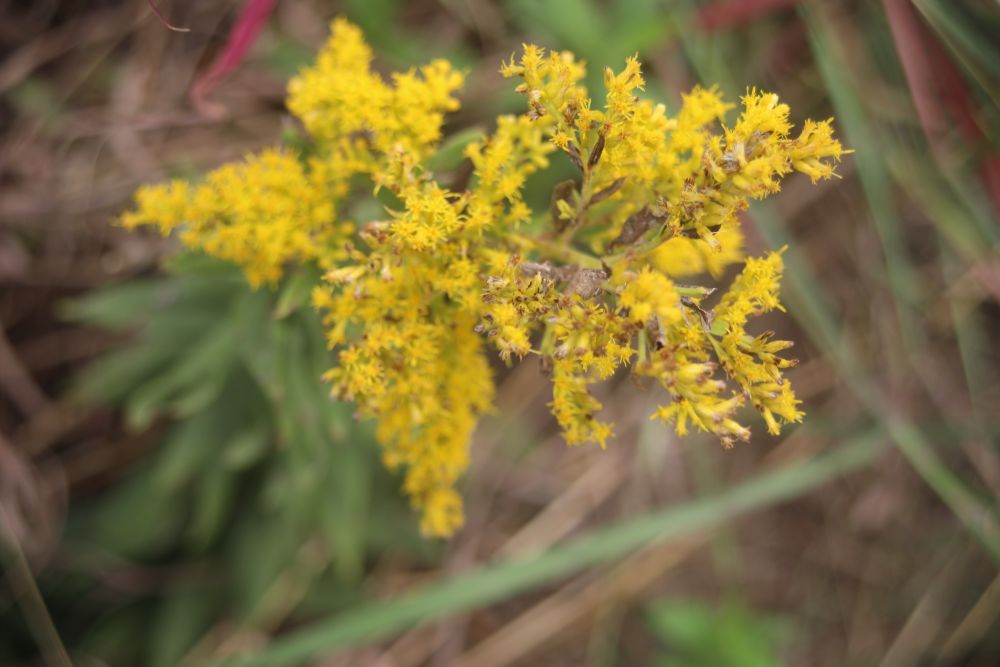

Plant Description: Perennial to 1 m high with aromatic leaves 4-8 cm long. Heads usually in pyramidal panicles, 3-4 mm wide. Disks and rays yellow. Has coarse root stock. Leaves are abundant, sessile, narrow, and entire.
Field Identification: Crushed leaves and flower have aroma strong anise or licorice scent when crushed.
Plant Trivia: The leaves, which smell of licorice when crushed, can be made into a tea. The genus Solidago comes from the Latin word solidus, which means to make whole referring to the plant’s use as a medicinal plant. After tossing all the tea in the harbor, Bostonians experimented with making tea out of goldenrod and other native berries and plants. Goldenrod is often mistakenly blamed for triggering allergies, but it is ragweed, which blooms heavily around the same time, that is to blame. Goldenrods have been used medicinally since Roman times or earlier. Seaside goldenrod was used by the Seminoles to treat wouds.
Occurrence: Frequent on coastal sands, mostly in oak woodland. Eastern and southeastern U.S. (including coastal states from Veracruz to New Hampshire) and parts of Mexico.
Bloom Period: July-October
Plant Use: Attractive and showy. Appropriate for landscaping. Historically used in herbal remedies for wounds, ulcers, urinary issues, flatulence, and as a stimulant. Bird and butterfly nectar source.
Key to species of Salidago:
- Lower and middle leaves mostly toothed………………………………….2
Lower and middle leaves entire…………………………………………………….3
2. Stems and leaves covered with fine pubescence…S. canadensis
Stems and leaves covered with antrorse barbs…………….S. radula
3. Stems pubescent………………………………………………………………...S. odora
Stems glabrous…………………………………………………….S. sempervirens
 stxflora