Baccharis neglecta
Family: Asteraceae
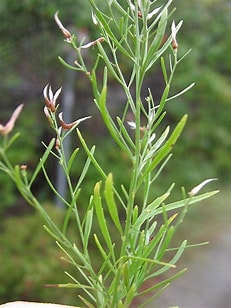
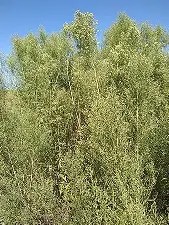
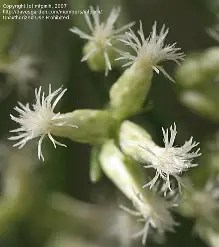
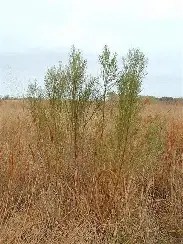
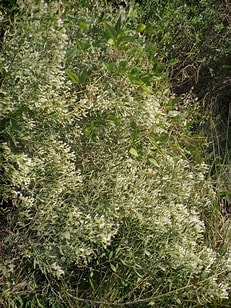
Description: Deciduous, perennial shrub to 2.7 m or higher with leaves 3-6 cm long. Heads 5-13 mm high, discoid, dense panicles. Corolla white.
Field Identification: Male and female flowers grow on separate plants, with female flowers producing small, silky, greenish-white heads that form feathery plumes in late fall, which are wind-dispersed. With ascending light brown branches and green twigs.
Plant Trivia: It is highly drought-tolerant, capable of growing in wet or dry soils, including those high in salt, making it a pioneer species for revegetating damaged or neglected land. The name “Roosevelt weed” and originated during the 1930s Dust Bowl era when the plant became prominent on neglected lands. The species name neglecta refers to the prevalence of this plant in “neglected” or disturbed areas.
Occurrence: Native to Texas, Arizona, New Mexico, Oklahoma, and northern Mexico, Baccharis neglecta thrives in prairies, meadows, roadsides, and disturbed habitats Common in prairies, waste places, streams lowlands, and neglected fields.
Bloom Period: Sept-Nov
Plant Use: Provides good erosion control for both arid land and riparian areas. Serves as a good nectar source.
Dichotomous Key to the Genus Baccharis:
-
Leaves elliptic or rhomboid…………………………………….B. halimifolia

