Pithecellobium ebano
Family: Fabaceae

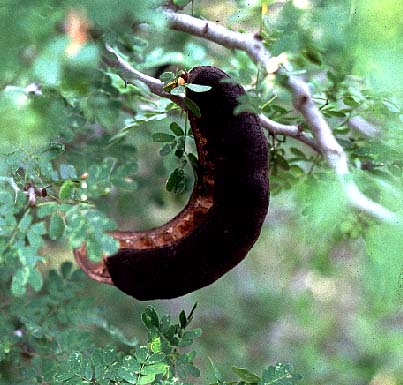
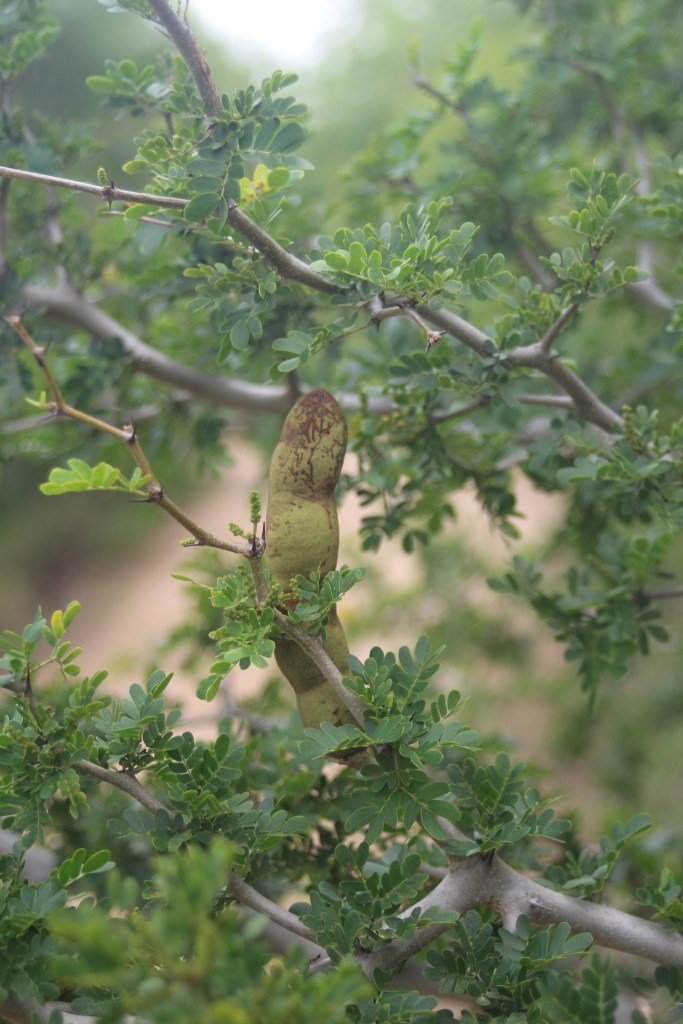
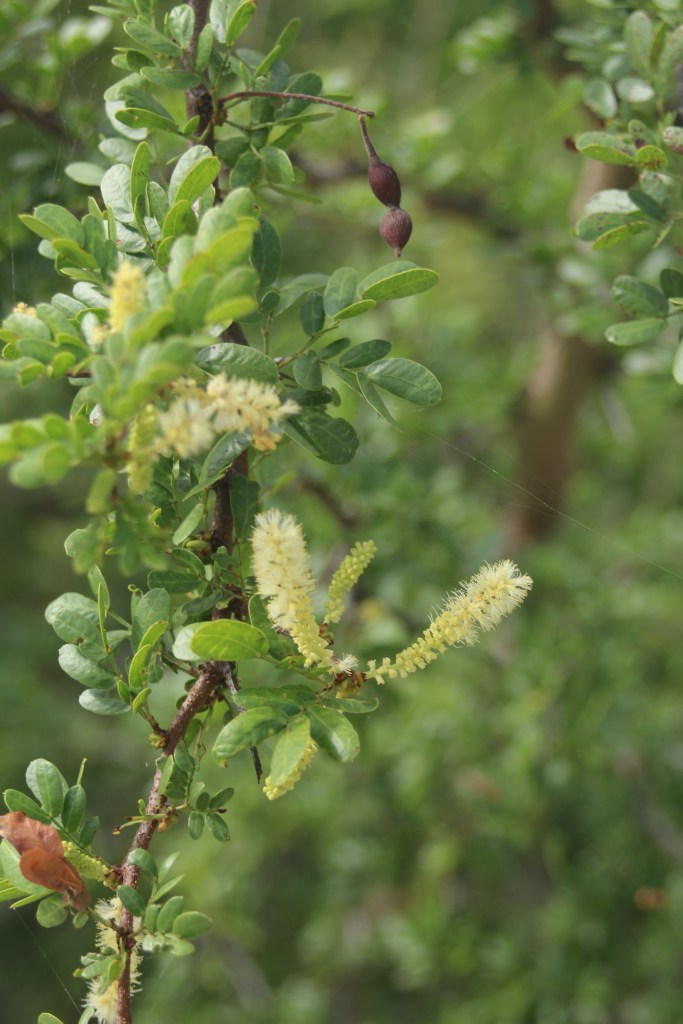
Plant Description: Spiny, evergreen tree to 6 m or higher. Dense foliage with zigzag branching. Leaves bipinnate with leaflets 5-13 mm long, opposite. Flower spikes 2-5 cm long, cylindrical white to cream. Seedpods are dark brown to black, straight or slightly curved, thick, flat, and woody, with hard beans that are reddish-brown.
Plant Trivia: Preferred growing site for Bailey’s ball moss, Tillandsia baileyi.
Field Identification: Presence of dark, large, curled seedpods.
Occurrence: Occurs in brushy pastures on sandy loam or clay, mostly in western half of our region. Also found on slopes south of Woodsboro.
Bloom Period: May – October
Plant Use: Important nesting, loafing, and roosting tree for birds. Leaves are eaten by many mammals and seeds serve as food for many other animals. Nectar source for bees. Wood is extremely valuable and is used for posts, fuel, cabinets, small furniture, and for art objects such as wood carvings. Ornamental and landscaping tree for shade. Seeds made into jewelry. In Mexico, the seeds are eaten when green and are also roasted when ripe and used as a coffee substitute. Larval host for White Angled-Sulphur, Large Orange Sulphur Cassius Blue, Coyote Skipper butterflies.
 stxflora