Dactyloctenium aegyptium
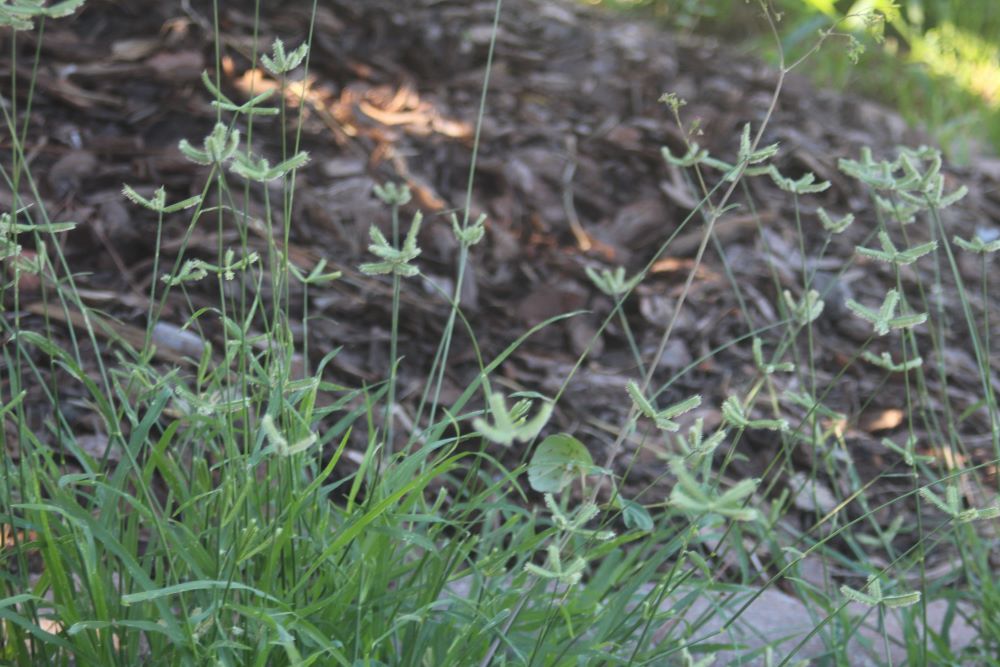
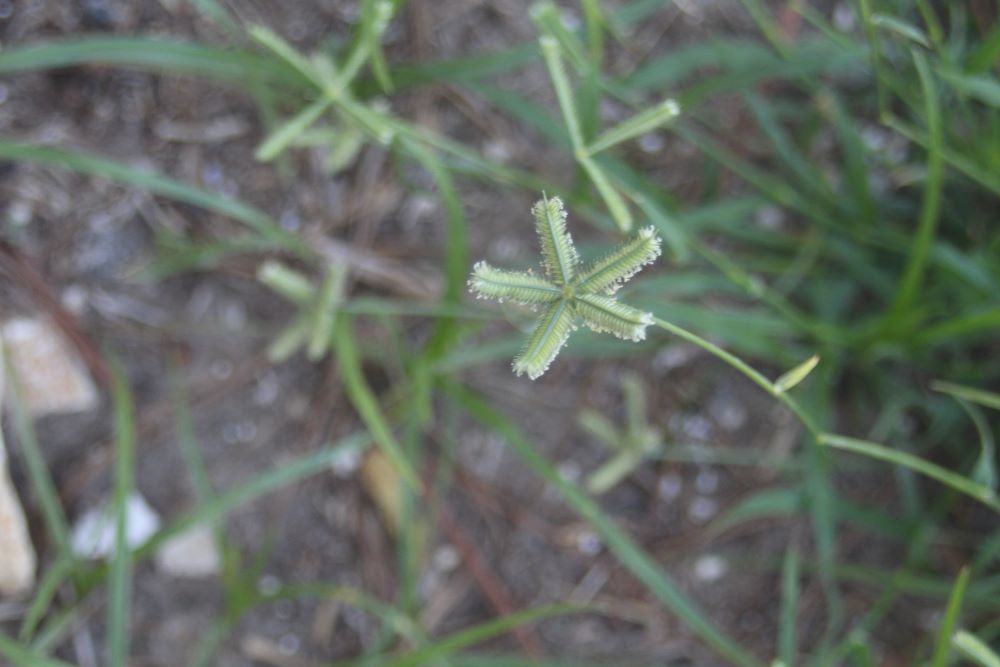
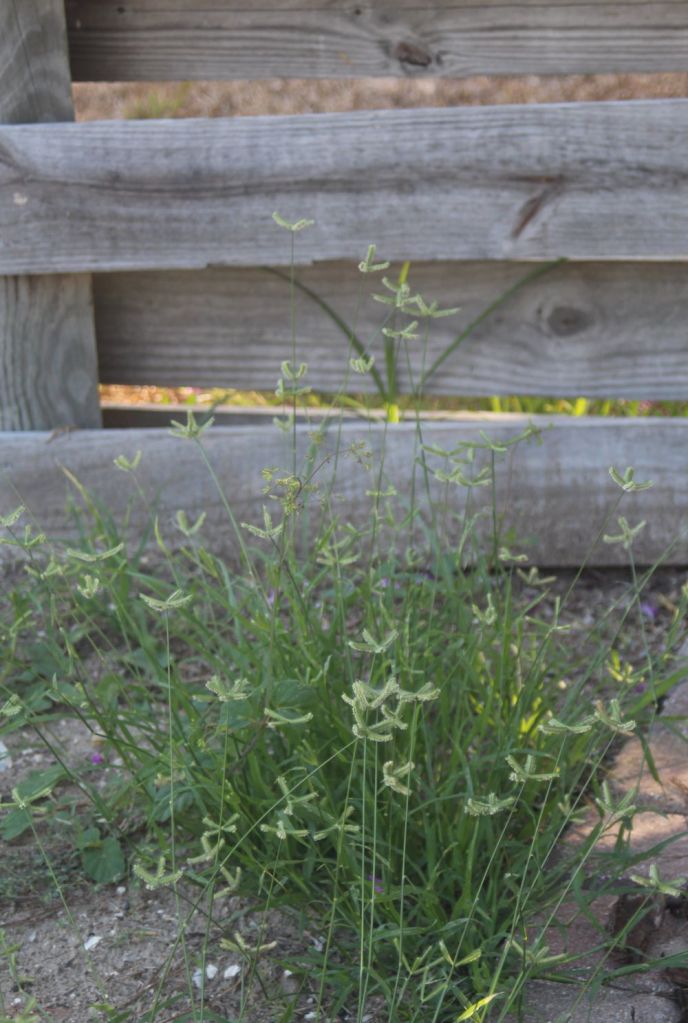
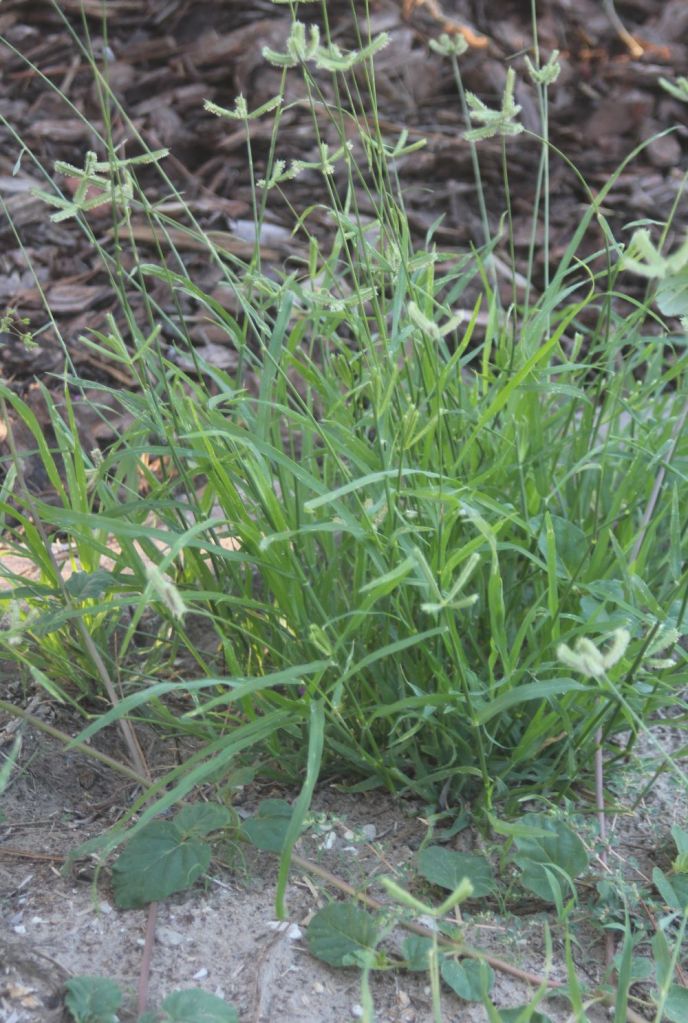
Description: Usually, an annual but occasionally is a short-lived, stoloniferous perennial. It has a distinctive compressed culm. Panicle with 2-8 branches. Branches extending beyond the last spikelet for several millimeters. S
Location: Disturbed sites of south and eastern parts of Texas.
Soil Type: Sandy and clayey soils.
Trivia: Introduced from Africa. Potentially toxic due to presence of cyanide .
Economic, Environmental Importance: In Africa it is sometimes used for food and drink. Seeds have been used for food during times of famine. In Africa and Asia, it is used as lawn grass and is an important pasture grass. Palatable to livestock but poor value due to limited productivity.
 stxflora