Panicum amarum
Family: Poaceae
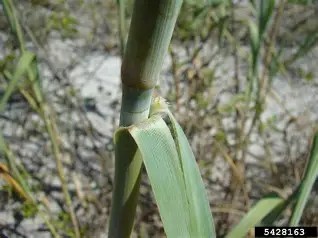
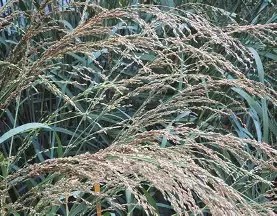
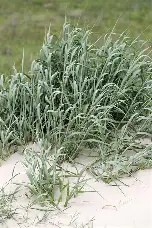
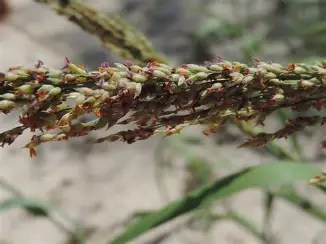
Description: Rhizomatous perennial. Rhizomes stout, glabrous and glaucous. Culms to 2.5 cm thick, erect or decumbent. Ligules 1-5 mm long. Panicles contracted, 10-80 cm long. This is a robust grass that spreads slowly from short, strong rhizomes or by rooting from lower nodes of plant stems (culms) to open clumps
Location: Found in coastal sand dunes and wet, sandy soil. The native range and distribution of bitter panicum is along the coastal beach system of the north central Gulf of Mexico basin. It is also distributed throughout the East and lower Midwest; it can be found along the Atlantic Ocean and the Gulf of Mexico from Connecticut to northeastern Mexico.
Soil Type: Sand
Trivia: Palatable to cattle. It also occurs on dune crests, as well as in the backshore area near dunes and on both the leeward and the windward slopes of dunes or dune ridges. It favors exposed areas where windblown sand accumulates. It is an early colonizing species that can tolerate the harsh environment of the dune system, which is subject to salt spray, storm surges, occasional inundation, high temperatures, low soil moisture and fertility, sand abrasion, and smothering by drifting sand.
Bloom: May-Oct
Importance: Dune stabilization. Seed for small mammals and birds. can also provide cover and/or habitat for songbirds, waterfowl, and small mammals.

