Paspalum notatum
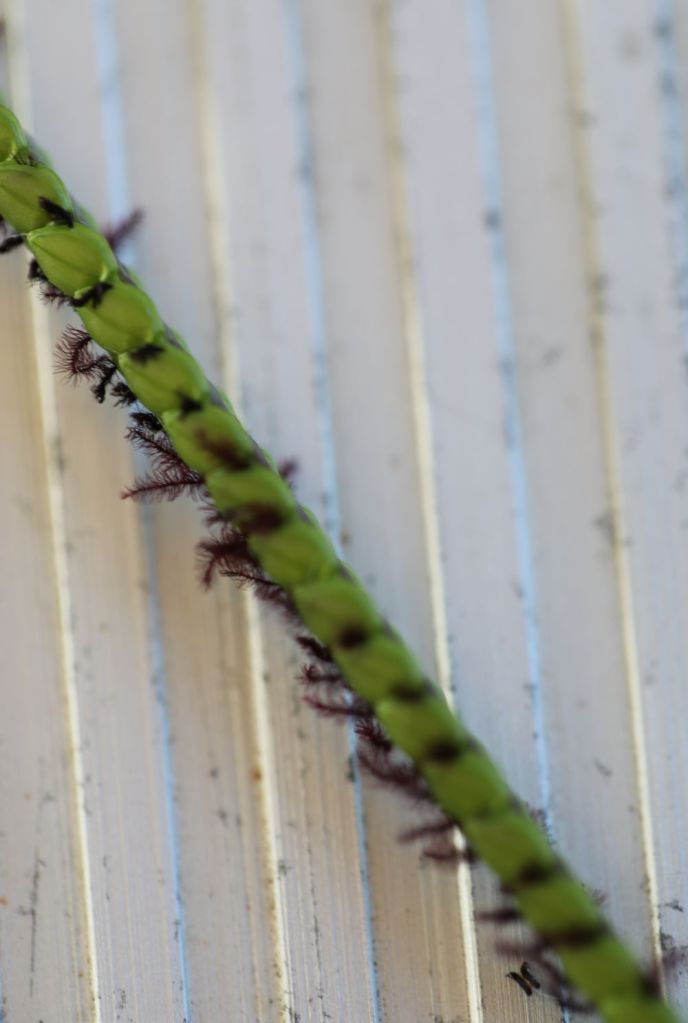

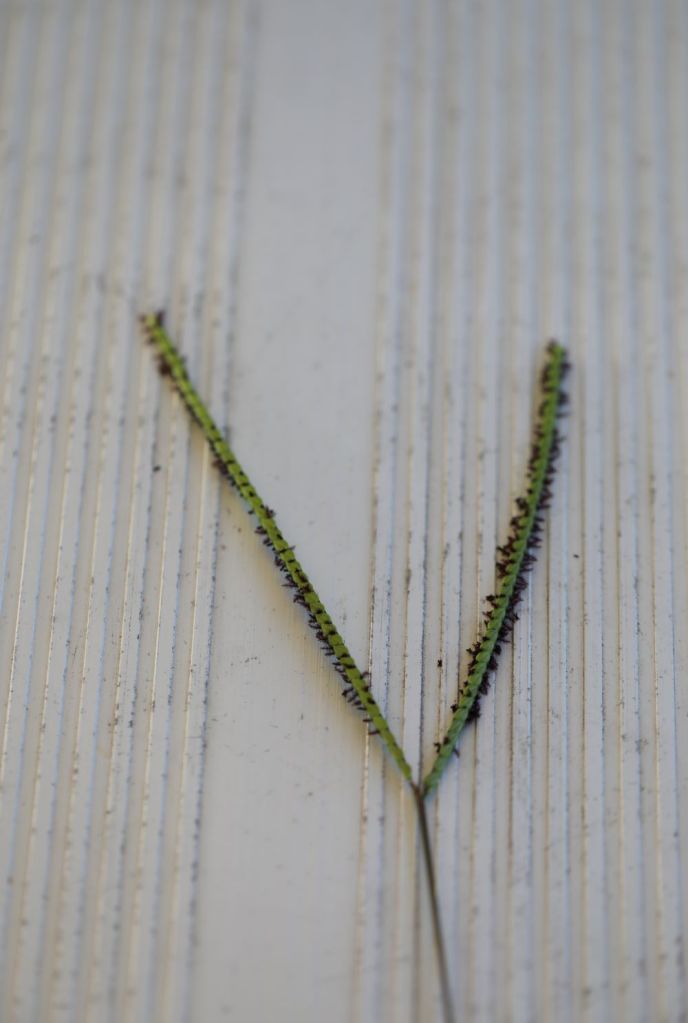
Description: Rhizomatous perennial. Culms to 1.5 m long, erect. Ligules 0.2-0.5 mm long. Panicles terminal, usually composed of a digitate pair with 1-3 branches below.
Location: Midcoast to most of East Texas. Found disturbed sites and along roadsides.
Soil Type: Sandy and Clayey in the Coastal Bend; most soils statewide.
Trivia: Introduced species for forage, turf, and erosion control.
Economic, Environmental Importance: Listed as poor for wildlife and fair for livestock. Erosion control
Paspalum grasses: Like most grasses, these are difficult to identify individually unless one has a good knowledge of grass structures, dissecting scope or excellent hand lens, and much patients. As a group they are flat leaved, often thin and broad. Inflorescence with one to many unilateral spikelike branches, these scattered or, in a few species paired at the culm apex. Spikelets subsessile or short-pedicled. Lower glume typically absent but irregularly present in a few species. There are 32 species and 10 varieties in Texas. Eleven of these are common to the Coastal Bend.
 stxflora