Artemisia ludoviciana
Family: Asteraceae
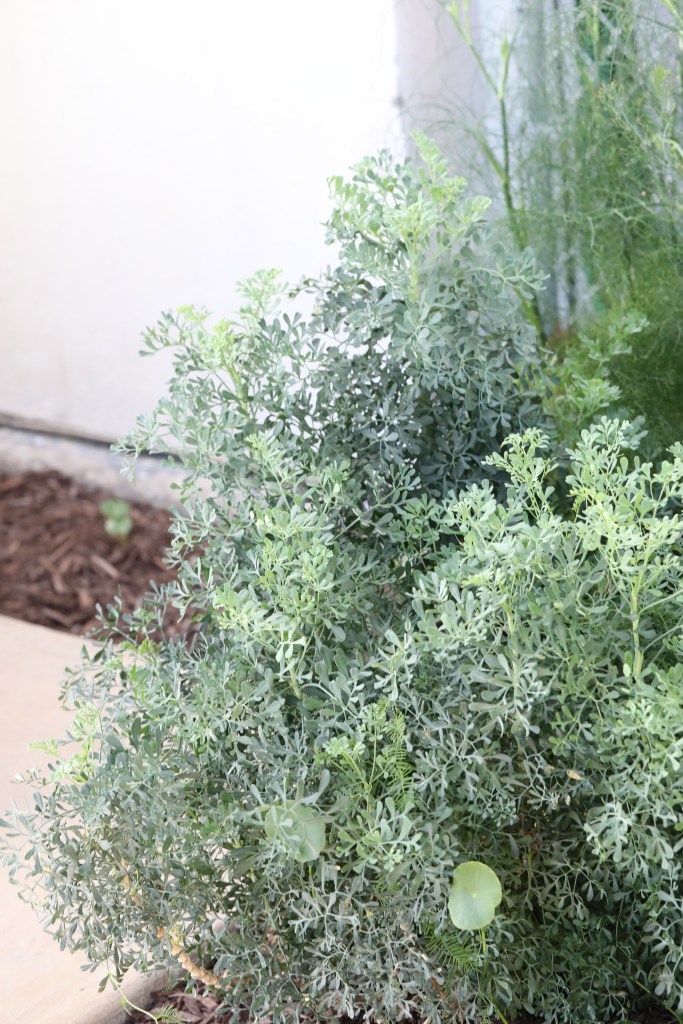
Plant Description: Erect. slightly woody, erect, perennial to 1 m high with usually gray or whitish aromatic leaves 2-6 cm long, alternate and linear. Heads in dense panicles, 3.5-5 mm high, discoid, ray flowers white; disk flowers white. Rhizomatous perennial with aromatic, silver gray foliage and tiny yellowish-white flowers
Plant Trivia: Other names include Sagebrush, Prairie Sage
Field Identification: Erect perennial with slightly wood base; to 1 meter tall.
Occurrence: Occasional on sandy soils, usually along ravines or in steam bottoms, forming colonies. Drought tolerant. Native N. American; full sun and well drained, sandy or rocky soils. Spreads by rhizomes.
Bloom Period: July-October
Plant Use: Landscaping for erosion control, colorful groundcover. Supports pollinators and serves a host plant for American Lady and Painted Lady butterflies. Used by Native American tribes for medicinal and ceremonial purposes. Traditionally used as a tea for colds, coughs and stomachaches or applied topically for skin issues. Many cultivars.
Key to species of Artemisia:
- Leaves green………………………………………………………………………….A. dracunculus
Leaves whitish or gray on lower or both surfaces……………A. ludoviciana
 stxflora