Ehretia anacua
Family: Boraginaceae
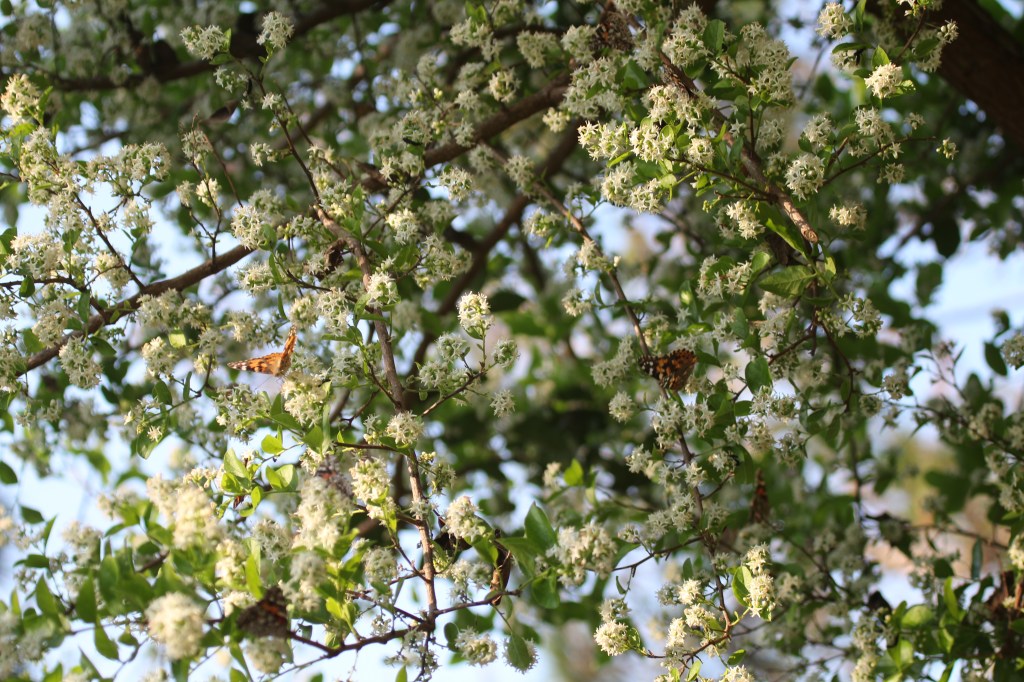
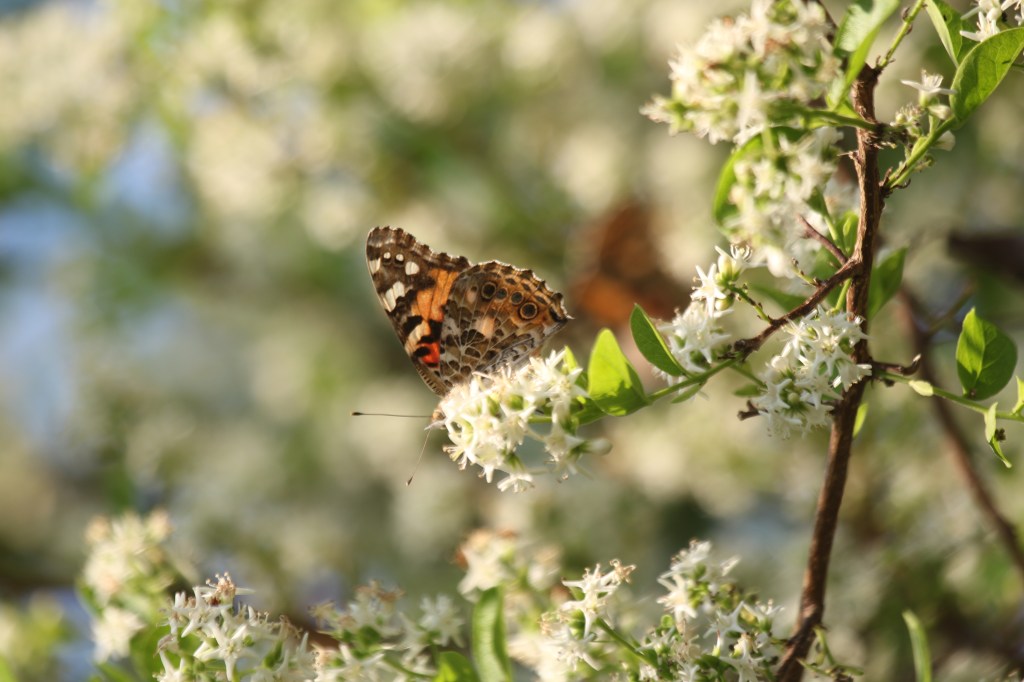
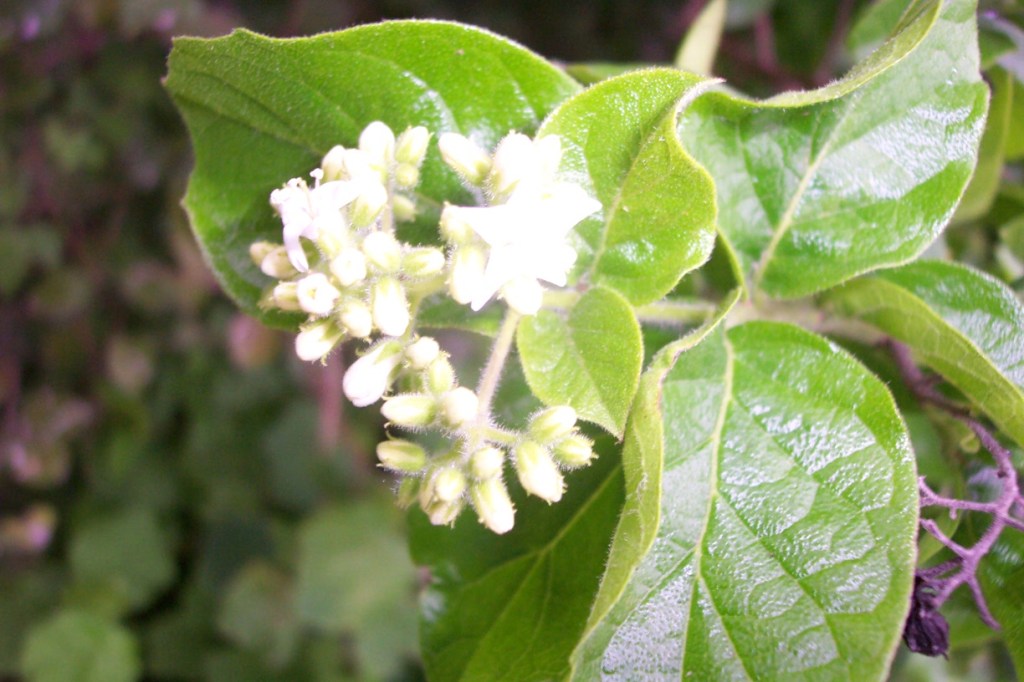

Plant Description: A subtropical, semi-evergreen, medium-sized tree or shrub usually having multiple trunks and a rounded canopy. The olive-to-dark green leaves are rough-surfaced, simple, alternate and ovate to oblong; and the bark is thick, grooved and gray to reddish-brown, with scales often flaking off. White flowers develop in cymes or panicles, with the corolla measuring about 1 centimeter wide, white. Fruits measure 8-12 millimeters wide are yellow to red.
Plant Trivia: Seeds germinate readily; root cuttings can also be used to propagate this tree.
Field Identification: Stiff, rough, sandpaper-like leaves
Occurrence: Frequent on sandy and clayey loams in pastures and woods
Bloom Period: March-November
Plant Use: Important wildlife food, habitat, and shade; planted as shade tree; leaves have been used for sandpaper.
 stxflora